
Last updated November 21, 2026
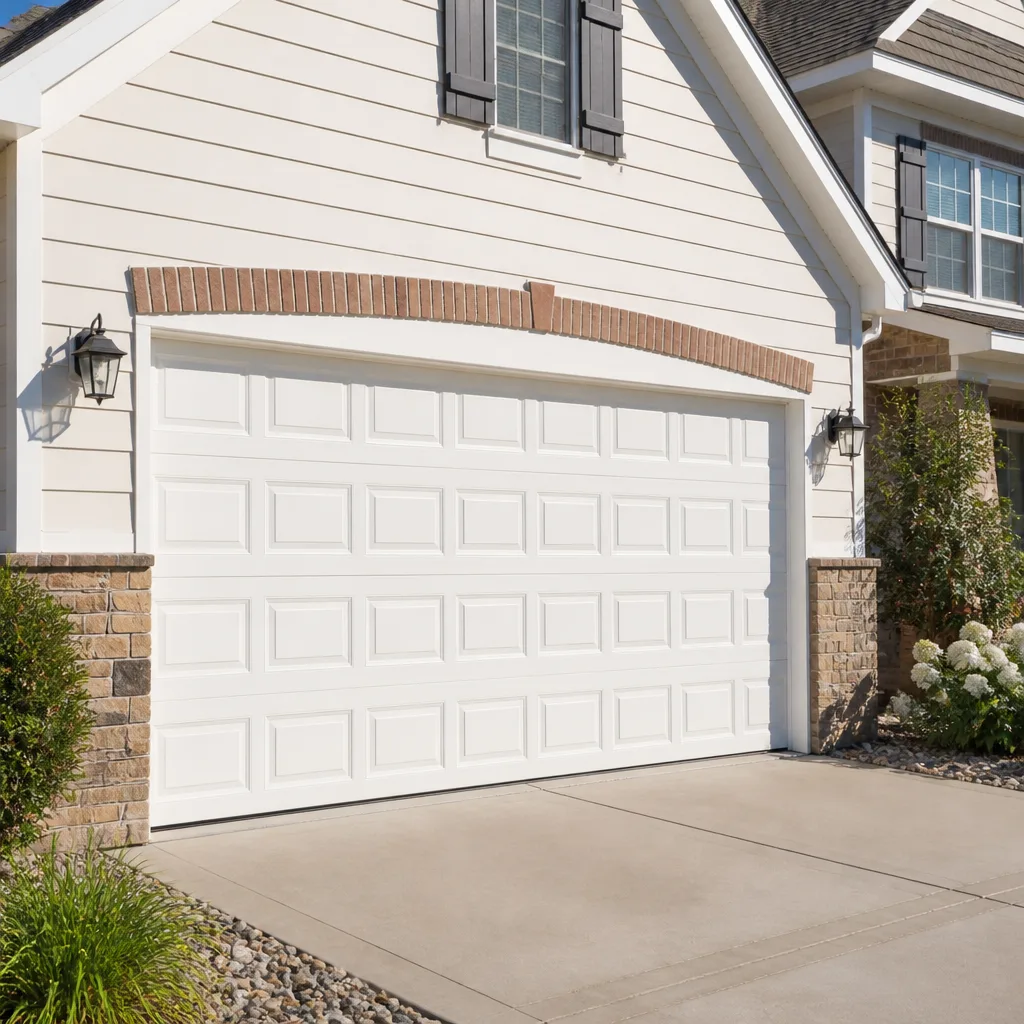 Raised-panel steel
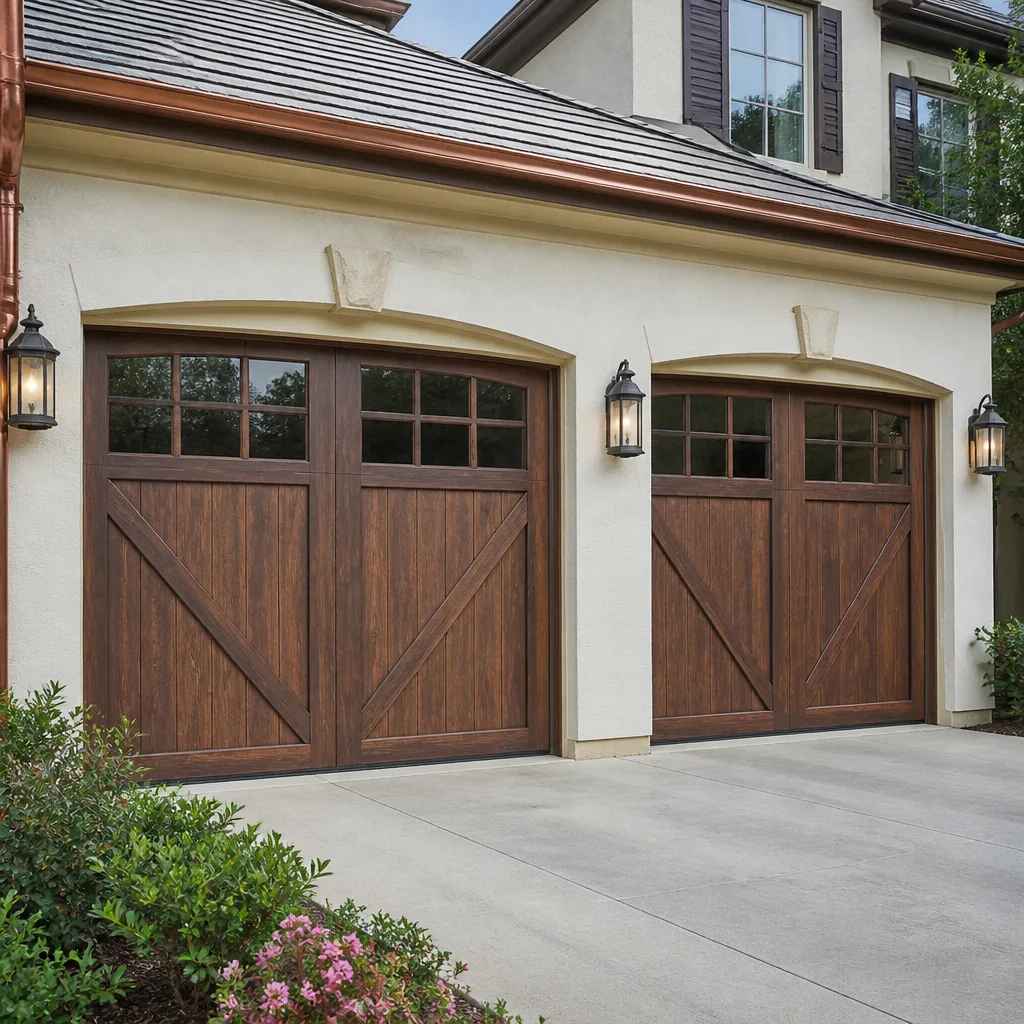 Carriage house
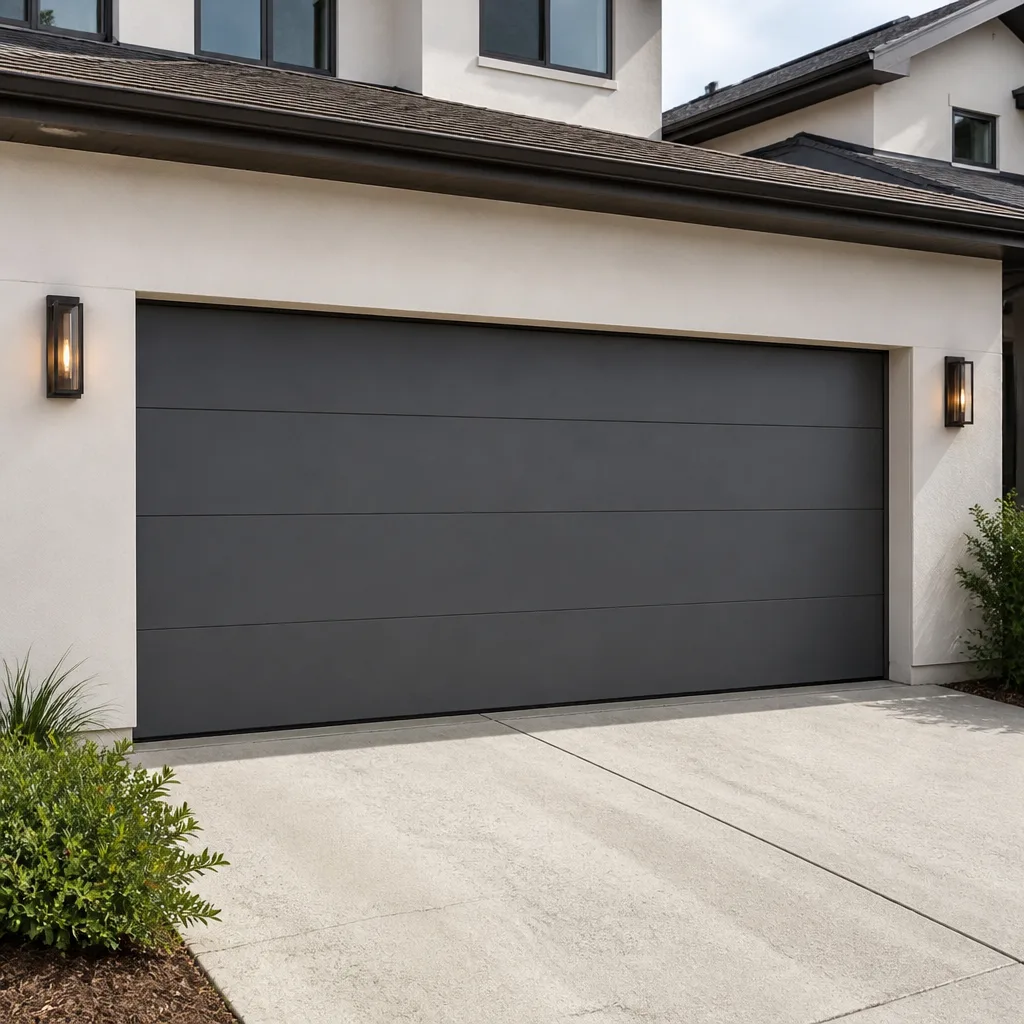 Modern flush
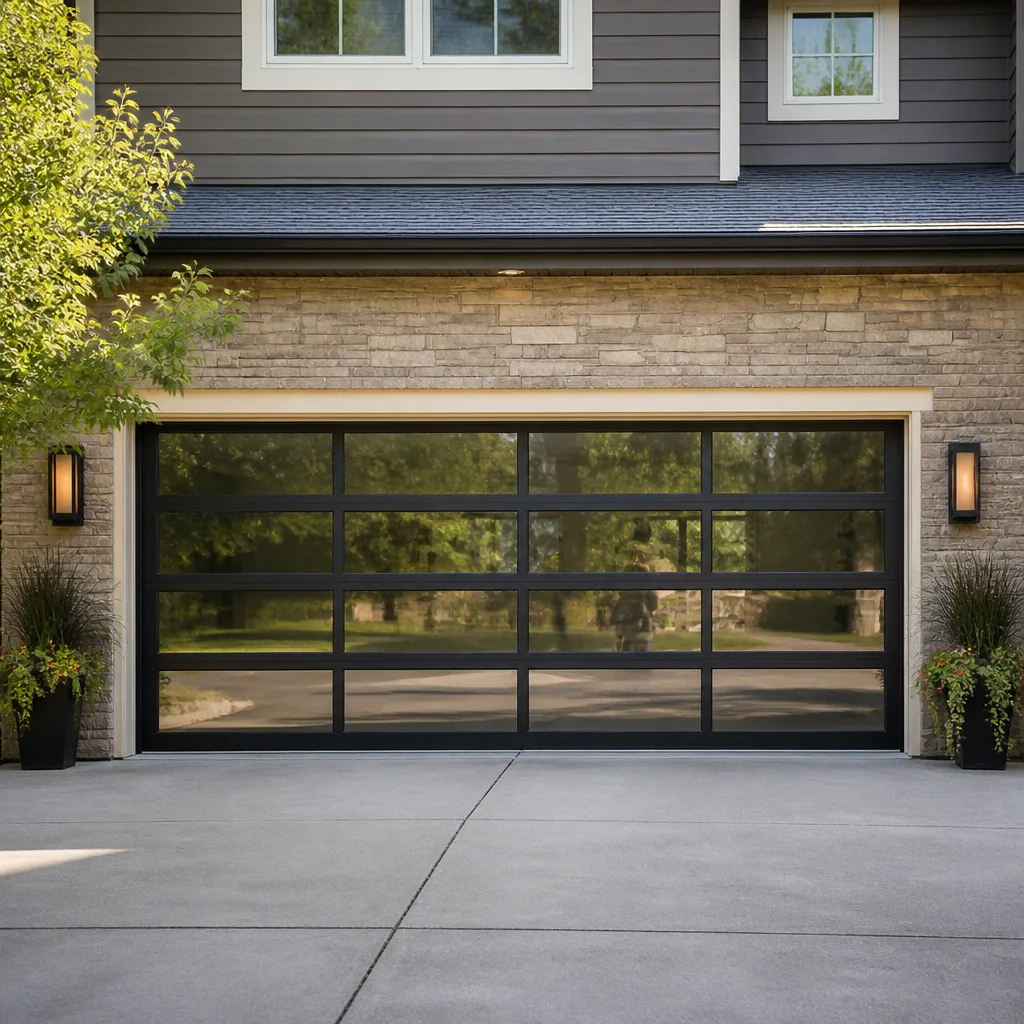 Full-view glass
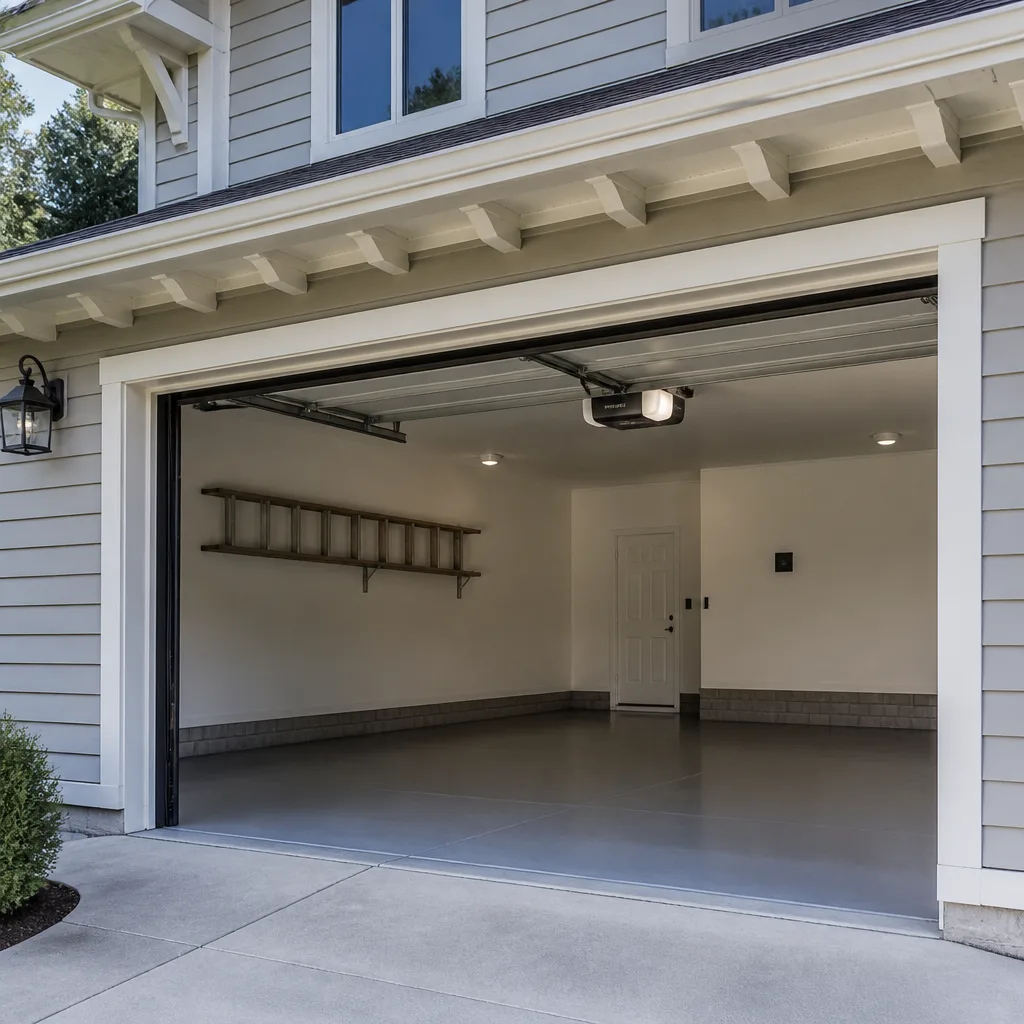 LiftMaster openers
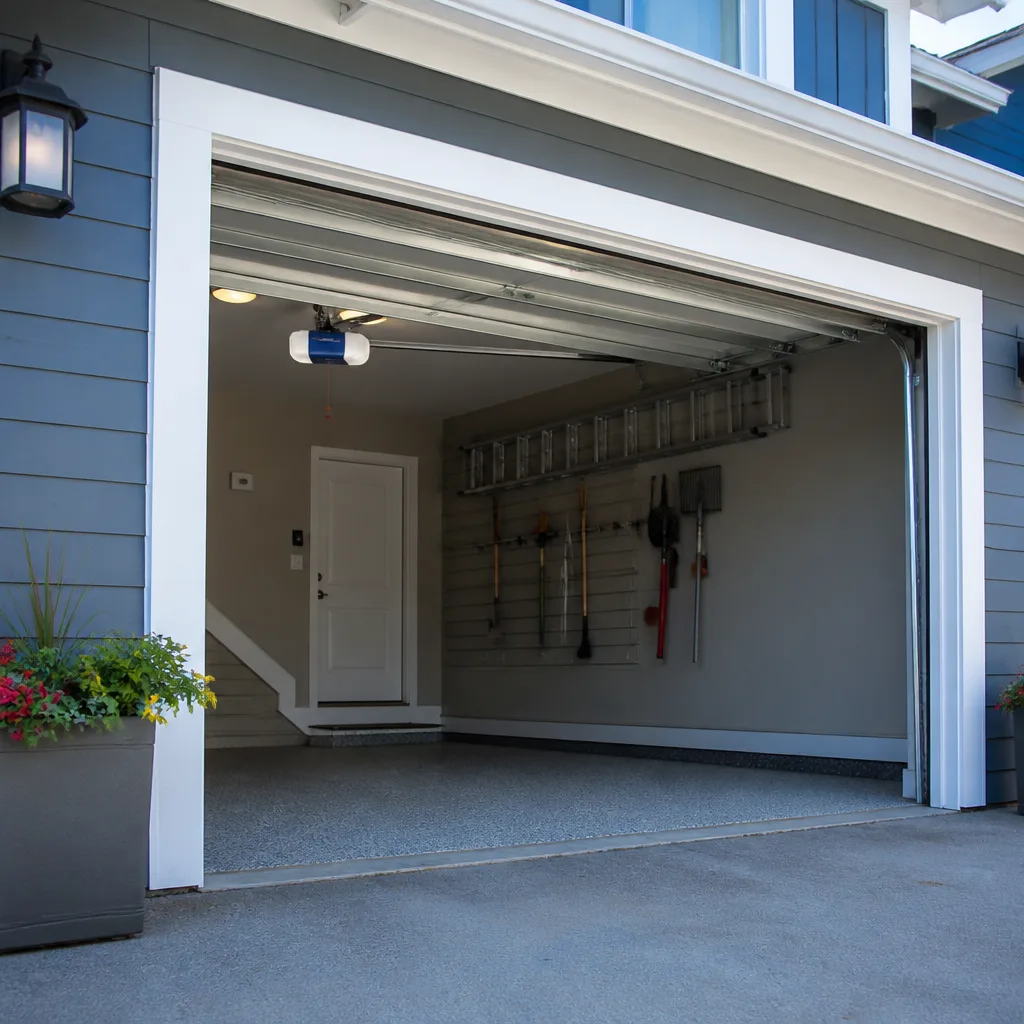 Chamberlain openers
Full 25-point door and opener safety check with every visit - springs, cables, rollers, tracks, and your LiftMaster or Chamberlain opener included
You get a price before we start. It does not change when the pro arrives.
Get your free estimateGarage Door Warning Signs: A Hialeah Homeowner’s Reference Guide
Most homeowners call for garage door service on the day the door stops moving. By then the decision has already been made for them: the car is trapped, the house is open to the street, and the repair happens on the door’s schedule instead of theirs. What surprises people is how long the door was talking before it quit. A torsion spring rarely fails cold. It announces itself for weeks through a grinding note in the first foot of travel, a door that suddenly feels heavier on manual lift, and rust lines creeping across a coil. In this guide we’ll walk through the warning signs component by component, so a Hialeah homeowner can tell the difference between a door that needs watching and one that needs a call today.
Quick Answer
Garage door warning signs fall into four groups: sound (rhythmic clicking, metallic scraping, a low thud at the end of travel), visible condition (rust banding on spring coils, white mineral deposits in cable drum grooves, cracked bottom seals), feel (a door that lifts heavier than it should or won’t stay balanced halfway up), and operator behavior (reversing immediately versus reversing halfway up). Rhythmic clicking and a sudden heaviness usually mean spring or roller trouble heading toward failure. Metallic scraping and immediate reversal point to cable, track or sensor problems that need a diagnostic visit. Signs that appear in clusters within days are urgent; single signs that develop slowly can be scheduled as routine service.
Styles & brands we work with
- Raised-panel steel
- Carriage house
- Modern flush
- Full-view glass
- LiftMaster openers
- Chamberlain openers
Table of Contents
- The Sound Diagnostic Index: What Each Noise Is Telling You
- Visual Warning Signs Specific to South Florida Doors
- Two No-Tool Tests That Detect Spring Fatigue
- Operator Behavior Warnings: Immediate Reversal vs. Halfway Reversal
- Imminent Failure vs. Gradual Wear: Which Signs Mean Call Now
- A Component-by-Component Warning Checklist
- How Hialeah’s Heat and Humidity Shape Wear Patterns
- Common Mistakes to Avoid
- When to Call a Professional
The Sound Diagnostic Index: What Each Noise Is Telling You
A garage door is a mechanical system with a small vocabulary, and each sound maps to a different part. If you can name the noise accurately when you call, the technician arrives already knowing which components to inspect. That saves diagnostic time and gets you a written estimate faster.
Rhythmic clicking. A click that repeats in time with door travel, usually once per roller passing a joint, points to a worn roller or a hinge that has lost its lubrication. Early on it’s a nuisance; left alone, a seized roller drags on the track and forces the opener to work harder than it was rated for. This is the classic sound a door makes months before the spring takes the blame for a problem the rollers caused.
Metallic scraping. A continuous scrape along one side means metal is contacting metal where it shouldn’t. Often it’s a cable that has jumped its drum groove or a track that has bent slightly out of alignment. Scraping is a stop-and-diagnose sound. Running the door while a cable is off its drum can turn a cable repair into a spring and drum job.
A low thud at the end of travel. If the door lands with a heavy thump instead of a controlled stop, the down-limit setting on the operator is off, or the bottom seal and weatherstripping are compressed and giving way. On a LiftMaster or Chamberlain operator this is often a limit adjustment. On an older Genie unit it can also be a sign the gear and sprocket assembly inside the housing are wearing.
A single loud bang with no repeat. That’s the signature of a torsion spring breaking. There is no warning noise after it, because the spring is already gone. If you heard one bang and the door won’t lift, skip to our garage door spring repair page and treat the door as out of service.
Rattling that increases with door speed. Loose hardware, usually hinge bolts and the bolts holding the opener rail to the header bracket. Easy to tighten, but a rattle that develops all at once can also mean a bracket has pulled loose from the framing.
Visual Warning Signs Specific to South Florida Doors
Hialeah’s heat and humidity leave signatures on garage door hardware that a homeowner in a drier climate would never see. Three of them matter most, and all three are easy to spot on a walk-around with a flashlight.
Rust banding on spring coils. Look at the torsion spring above the door, or the extension springs alongside the tracks. A clean spring has an even finish. A failing spring develops rust lines that follow the coil in a band, sometimes brown and sometimes orange, and often concentrated in the middle of the coil where stress is highest. Banding is a sign the steel is fatiguing from the inside out. It’s not a guarantee the spring breaks tomorrow, but it moves the spring to the top of the inspection list.
White mineral deposits in cable drum grooves. The cable drums at each end of the torsion shaft are where the lift cables wind and unwind. In humid air, condensation collects in the groove and leaves a chalky white film as it dries. That film, combined with a slightly dry cable, is how cables start to slip out of the groove. A cable that pops off a drum is one of the more dangerous failures on a garage door because it releases tension unevenly. Check the drums from the floor with a light; don’t reach up into the winding area.
UV-bleached, cracked bottom seals. The rubber seal along the bottom edge takes full sun on a south- or west-facing Hialeah door. It bleaches, then it cracks, then it stops sealing. Homeowners read this as cosmetic. It isn’t. A failed bottom seal lets in rain, lets in pests, and lets the door’s down-limit run further than it should, which adds load to the operator every single cycle. If you can see daylight under the door from inside the garage, the seal is past saving.
Round out the visual check with these, in order:
- Rust or pitting on the bottom roller brackets and the hinge plates nearest the floor.
- Track alignment: both vertical tracks should be plumb, and the horizontal tracks should sit level with each other.
- Loose or missing hinge screws along the door panels.
- Cracks or separation at the panel joints, which can signal a stressed panel or a door that has been forced.
- The photo-eye brackets at the floor. A knocked bracket or a dirty lens is more common than a failed sensor.
Two No-Tool Tests That Detect Spring Fatigue
You don’t need a gauge to know whether your springs are still doing their job. Two simple checks, done safely, tell you most of what a technician would learn in the first minute.
The balance test. With the door closed and the opener disconnected (most openers have a manual release pull cord), lift the door by hand to about waist height and let go. A healthy door holds that position on its own, or drifts down very slowly. A door that drops quickly is telling you the springs have lost tension and the opener has been compensating. A door that runs upward on its own after you let go is telling you the springs are too tight, which is just as much a problem.
The lift test. Before you disconnect anything, with the door closed, lift the door a few inches by hand and feel the resistance. Compare it to how it felt a few months ago. A door that feels notably heavier has springs that are losing their lifting force. Note that this is a quick feel, not a workout. If you have to put your weight into it, stop and call for service.
There is a safety line here that matters more than any test result. Never put your fingers between the door sections, never lift with the door partially open near the springs, and never try to tighten, lubricate, or adjust a torsion spring or its cables. Those parts are under high tension, and a released torsion spring can cause serious injury. The tests above are safe because they only involve lifting the door by hand. Everything from the springs upward belongs to a trained technician.
Both tests work best as a monthly habit, not a one-time check. The whole routine takes three minutes and will catch fatigue long before a lockout. If the balance test fails, our garage door repair team can inspect and quote a fix before the spring fails outright.
Operator Behavior Warnings: Immediate Reversal vs. Halfway Reversal
When a garage door reverses, the first question is when it reverses. The timing tells you which system is complaining, and the distinction is one of the most useful diagnostic clues a homeowner can give us.
Reversal immediately after touching the floor, within a few inches. This is almost always the safety system. The photo-eye sensors at each side of the door are there to stop the door if something crosses the beam. Dust on a lens, a loose bracket, a spider web, or direct sunlight hitting a sensor will trigger a reversal at closing. On most LiftMaster and Chamberlain openers, the diagnostic LED on the motor unit flashes a code that identifies a sensor fault directly. Check the lenses and brackets first, then read the motor unit’s indicator light against the owner’s manual.
Reversal halfway up on the opening cycle. This is a different problem entirely. The opener is experiencing too much resistance and interpreting it as an obstruction. The usual causes are a door out of balance from a fatigued spring, worn rollers, or a track that has shifted and is squeezing the door. The opener is doing its job by reversing to avoid damaging the door. The fix is to find the source of the resistance, which requires a full-door inspection. Don’t keep pressing the wall button to force it through; each attempt puts extra wear on the opener’s gear and sprocket.
One opening and then nothing. A door that opens once and then won’t respond again, with no reversal, points to an operator problem rather than a door problem. On a Genie unit this can be a limit switch or a safety beam issue; on any brand it can be a wall console fault or a lost remote. If the wall button works but the remote doesn’t, the problem is in the remote or the receiver, not the door. Our garage door opener repair covers this diagnostic step by step.
Door stops and restarts at random. Intermittent behavior usually points to a loose wire in the safety circuit or a wall console with a failing button. It’s a common call, and it’s a good reason to note when and where it happens before the technician arrives.
If your door reverses in any way and you’re not sure which problem you have, calling with the timing (“it reverses right after it touches the floor”) gets you to the right answer faster than describing the door as “broken.”
Imminent Failure vs. Gradual Wear: Which Signs Mean Call Now
Not every warning sign is a crisis. Some signs say schedule a visit; others say stop using the door and call. Here’s how we separate them.
Signs that usually indicate failure within days, and that call for urgent service:
- One loud bang followed by a door that won’t lift. The spring has broken.
- A door hanging visibly crooked to one side. A cable has likely come off or broken, and running the door will make it worse.
- Metallic scraping from one side while the door travels.
- Visible damage to a track, especially a bent vertical track.
- The door falling fast on its own after you lift it a foot.
- Any sign of a torn or frayed cable. Cables under tension can fail suddenly and must not be touched.
Signs that usually indicate gradual wear, where routine scheduling is fine:
- Rust banding on a spring without other symptoms.
- Rhythmic clicking from a single roller.
- A door that’s heavier than it used to be but still opens smoothly.
- A cracked bottom seal.
- Rattles that come and go.
- Chalky deposits on the cable drums with no other symptoms.
The key word is clusters. A single warning sign on this second list is a note to schedule a service visit. Three or more, especially if they’ve appeared in the last month, usually means the door is on the edge of failure, and it’s better to have it looked at before a morning when the car is loaded and the door won’t move. When we’re looking at a door in Hialeah, we work through the same checklist every time, and the pattern usually tells us which component is driving the others.
One more point for the urgent list: an unsecured garage door is a security problem, not just a mechanical one. A door that won’t close leaves the house accessible from the driveway. If the door fails in a way that leaves your home open, treat it as emergency service rather than waiting for a routine appointment.
A Component-by-Component Warning Checklist
This is the checklist a trained technician runs through. You can use it as a homeowner walk-around to spot problems early.
- Torsion spring. Look for rust banding, a visible gap in the coil, or a loosened set screw. Listen during the first foot of travel for a grinding note.
- Extension springs (if present). Check for stretched or slack springs on the sides of the door. A spring with a safety cable in place is safer; one without a safety cable is a liability.
- Cables. Look for fraying near the drum and any slack cable lying loose. Never touch a cable that looks damaged or slack.
- Cable drums. Chalky white deposits, rust, and any slack winding are warning signs.
- Rollers. Worn rollers show flat spots or cracked wheels. They’re cheap to replace and cheap to ignore at your door’s expense.
- Hinges. Loose screws at the hinge plates are the cause of most rattling. A hinge that has pulled out of the panel needs to be inspected before it’s tightened.
- Tracks. Tape a straightedge against each vertical track to check for bends. The two horizontal tracks should sit level with each other.
- Bottom seal and side weatherstripping. Sun damage shows as bleaching and cracking. Look for daylight under the closed door.
- Operator (LiftMaster, Chamberlain, Genie). Check the motor unit’s diagnostic LED against the owner’s manual. On LiftMaster and Chamberlain units, the LED flashes a code for sensor and limit faults; on a Genie, the LED behavior differs.
- Safety sensors. Confirm the beams are aligned and clean. A dirty sensor lens is the single most common cause of reversing doors.
- Door panels (Clopay and others). Check for cracks at panel joints, sagging, and any separation of the frame from the panel. Panel damage is a structural warning.
Run this list at the start of the hot season. Most problems we see on Hialeah doors show up ahead of the summer heat, and a two-minute inspection is a lot easier than a morning without a car.
How Hialeah’s Heat and Humidity Shape Wear Patterns
Garage door wear in Hialeah doesn’t look the same as it does in cooler climates. Heat and humidity speed up certain failure modes and slow others down. Knowing the local pattern helps you read your own door correctly.
Heat does the most damage to the seals and rubber components. The bottom seal and side weatherstripping on a south- or west-facing door take sustained sun and degrade faster than on doors that face other directions. Sun also warps cheap plastic end caps and fades the finish on steel panels. If you have a steel Clopay or Amarr door, check annually for fading and rust spots near the bottom edge, since finish is the first defense against corrosion.
Humidity does the most damage to the springs and cables. Steel in a humid, unconditioned garage holds condensation. Rust starts on the spring coil and the cable drum groove long before it appears on the visible hardware. That’s why our spring repair visits in Hialeah routinely start with a look at the coils rather than the operator. Rust is a useful forecaster for a spring that will fail within a season.
Heat and humidity combine to affect the opener too. The lubricant inside older opener gear assemblies can dry out faster in a hot garage, and the plastic gears in a Genie unit are usually the first thing to complain. If your door opens with a low grind, that grind is coming from the motor unit rather than the door. That’s a different repair.
Hialeah’s rainy season also stresses the door’s sealing and the door’s exposure. Water sitting against the bottom seal accelerates the same cracking that sun started. A failed bottom seal is the local failure that looks smallest and matters most, because it puts moisture into the door frame and onto the bottom roller brackets every time it rains. The weather here is mild enough that we never see freeze-related problems. The issues we do see are almost all heat and humidity at work on metal and rubber.
See the difference
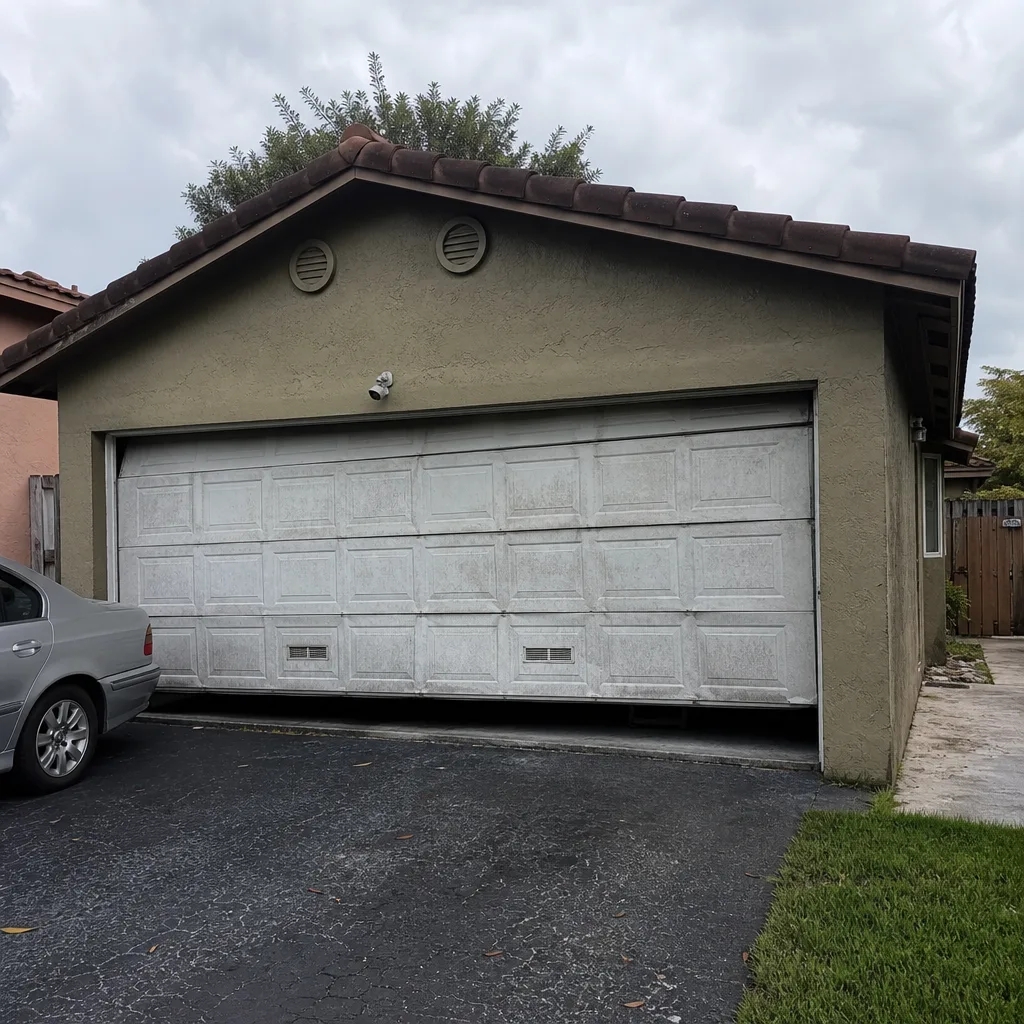 Before
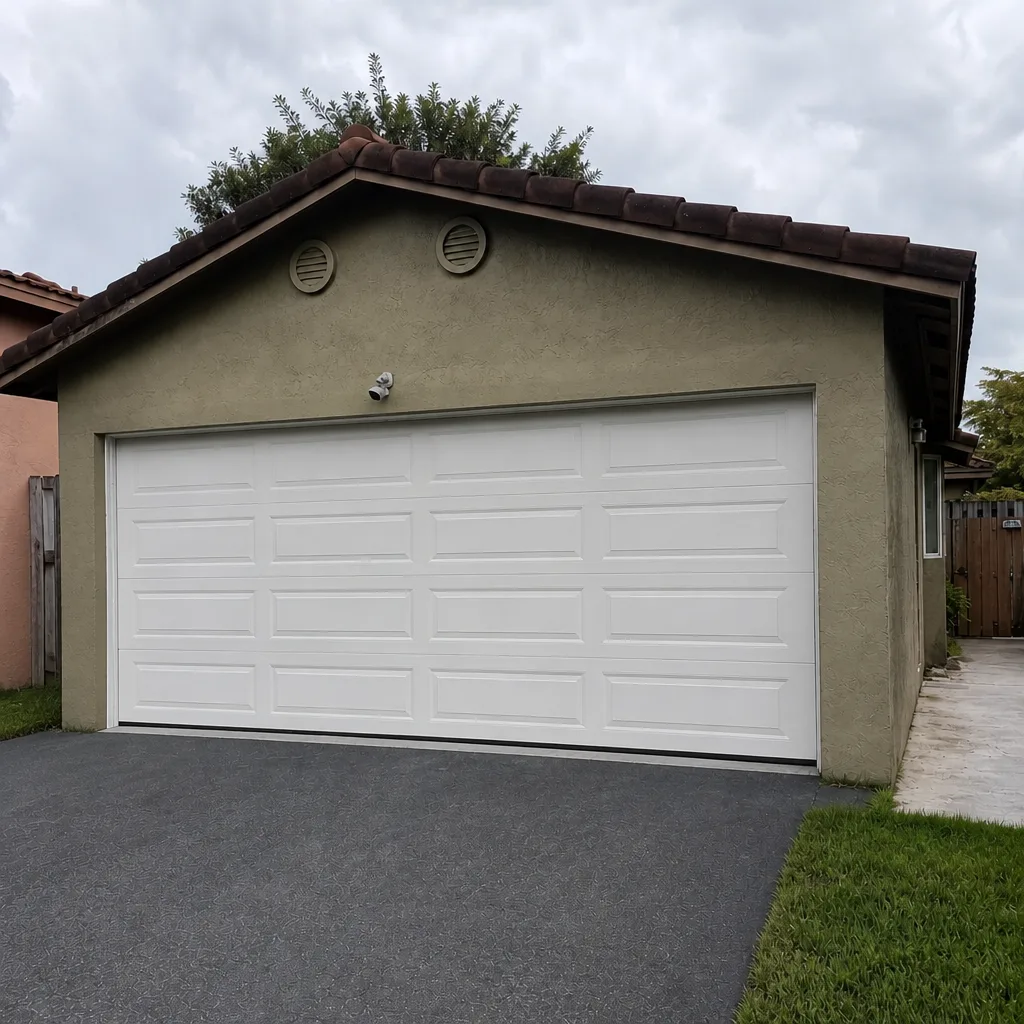 After
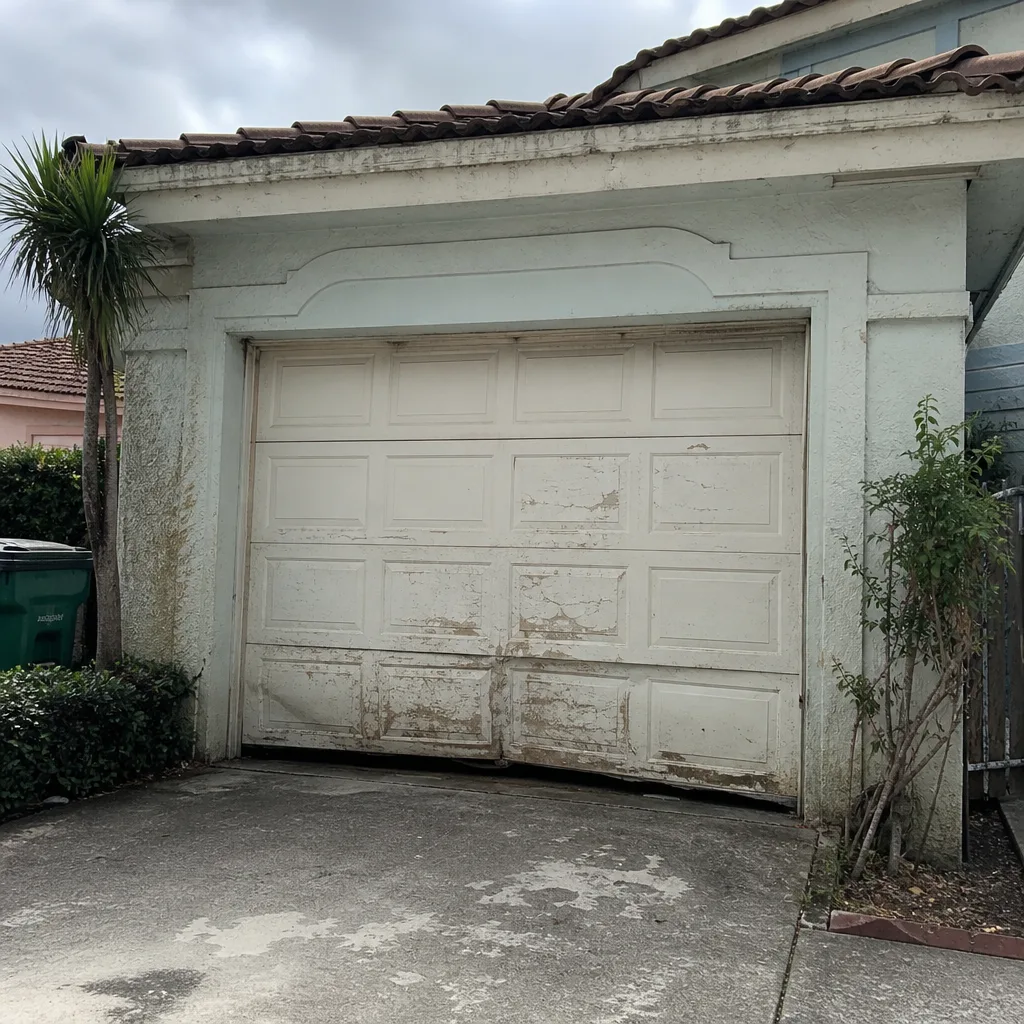 Before
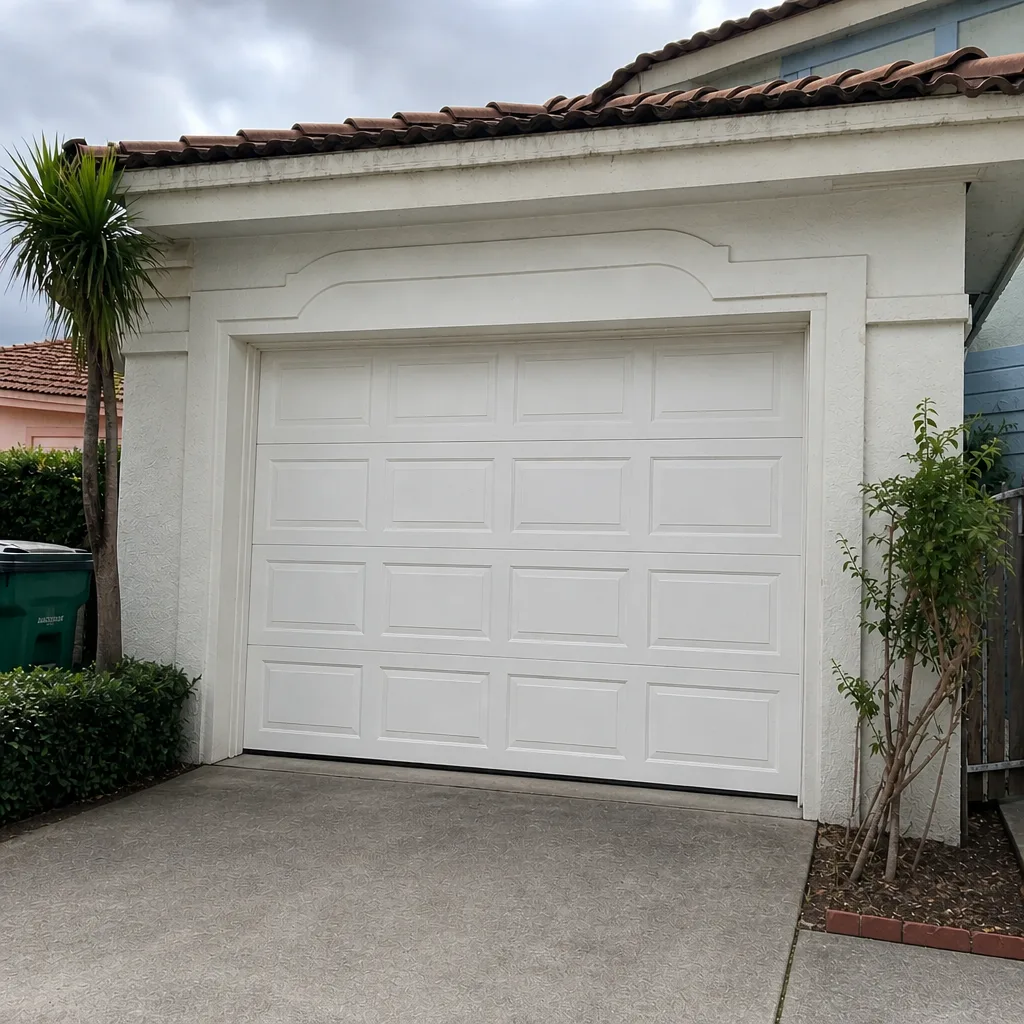 After
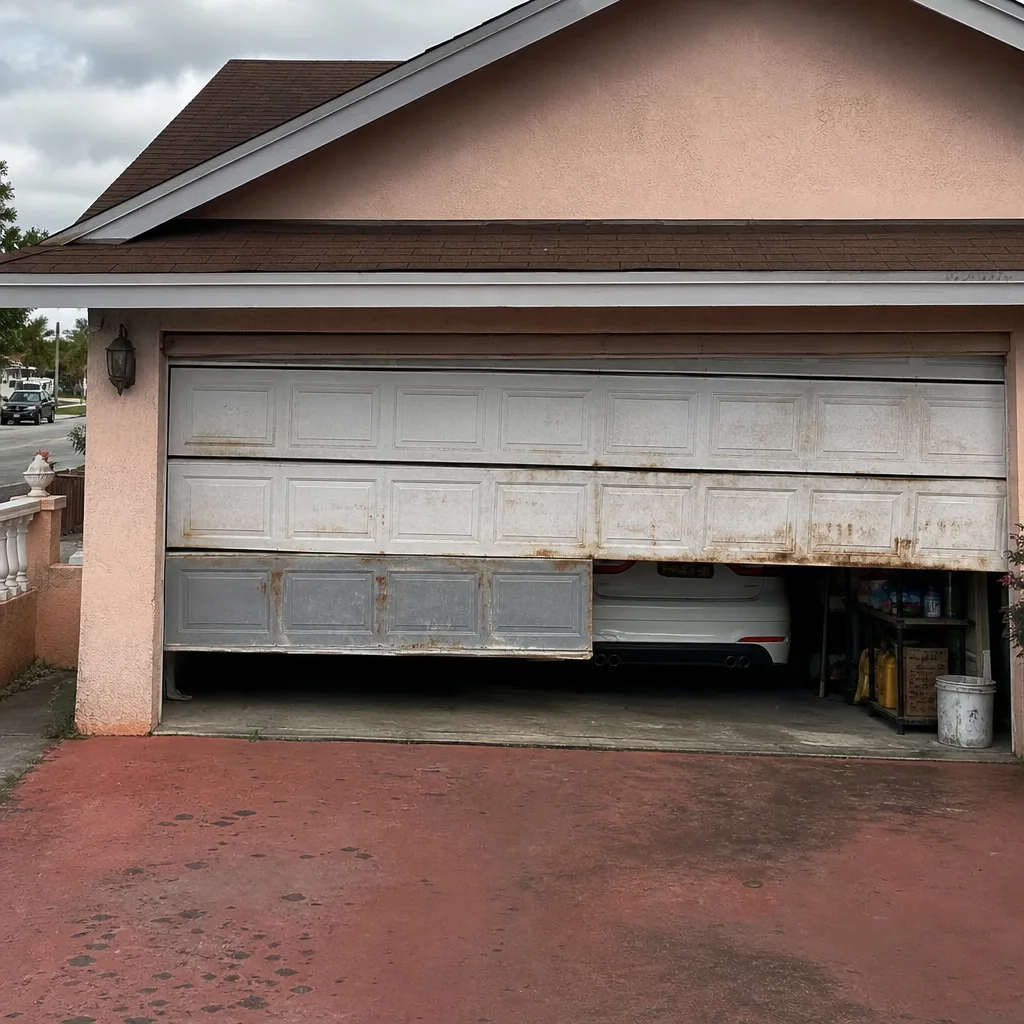 Before
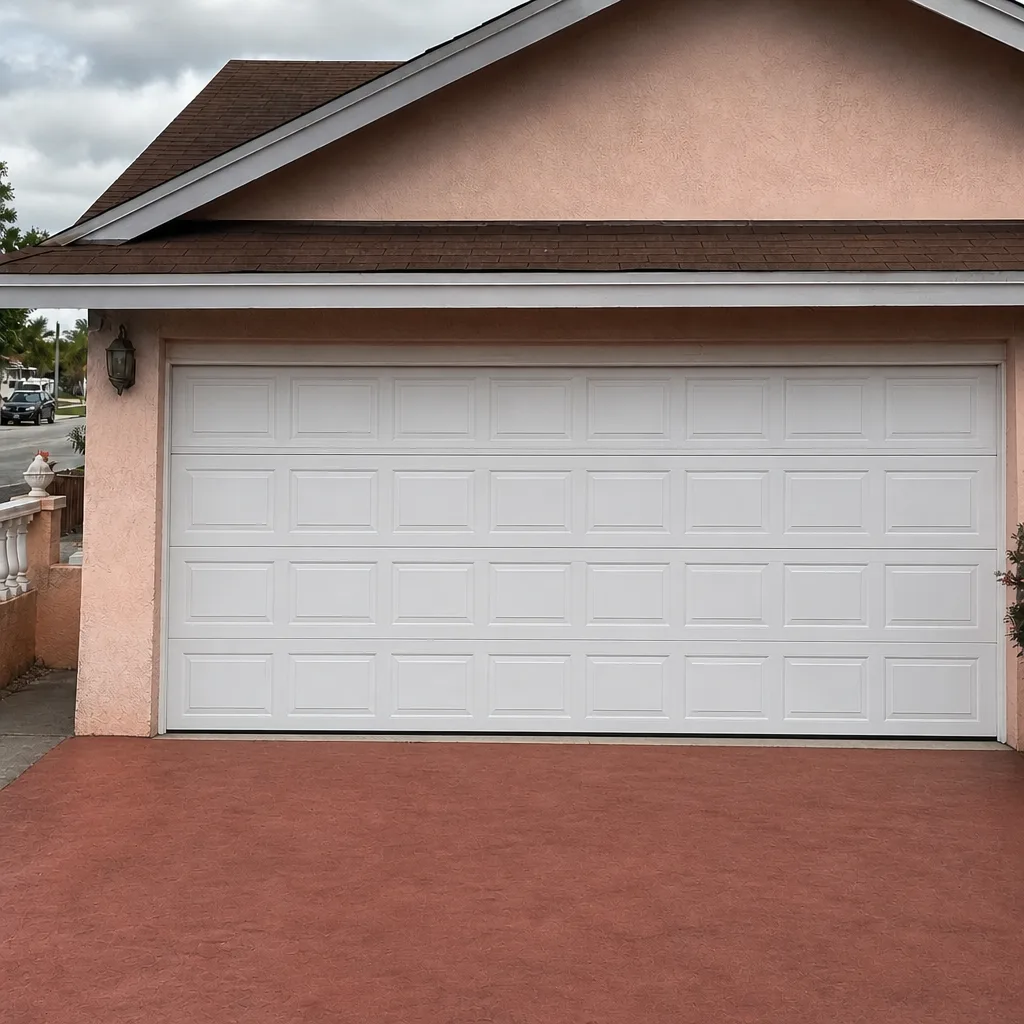 After
Common Mistakes to Avoid
- Forcing a stiff door open with the opener. If the door feels heavy, the opener isn’t strong enough to fix a spring problem. Running it repeatedly strips the drive gear inside the motor unit and turns a spring repair into a spring and opener job.
- Ignoring the balance test after lubricating the door. A freshly lubricated door feels smoother, but lubrication doesn’t restore spring tension. Lubrication is maintenance, not repair.
- Assuming a reversing door is a sensor problem. Immediate reversal usually is; halfway reversal almost never is. Diagnosing the wrong one leads to repeated service calls for a door that still isn’t fixed.
- Treating a cracked bottom seal as cosmetic. In Hialeah, that cracked seal lets rain onto the door frame and the bottom roller brackets. Schedule it with the next repair rather than replacing it on its own.
- Wiping rust off a spring instead of inspecting it. Rust banding is a wear signal, not a surface stain. Cleaning the spring hides the evidence without resolving the fatigue.
- Trying to tighten a torsion spring yourself. The spring is under high tension, and an amateur adjustment can cause serious injury. Leave the springs and cable drums to a technician.
- Skipping the monthly walk-around. The warning signs on this list take three minutes to check. The lockout they prevent costs a morning and a tow.
When to Call a Professional
Call for service when any warning sign in the urgent list appears: a bang followed by a door that won’t lift, a door hanging crooked, a scraping noise, a bent track, a frayed cable, or a door that falls fast under hand lift. Call as well when three or more gradual signs stack up in a single month, even if none of them is serious on its own. And call if a door failure leaves the house accessible from the driveway; a garage that won’t close is a security issue before it’s a mechanical one. The technicians we connect you with have up to 10 years of experience and are trained in torsion and extension spring systems, which is where most serious failures begin. Hialeah Garage Door Repair Experts offers free estimates in Hialeah. Call (888) 584-5554 and describe what your door is doing.
Frequently Asked Questions
Rust banding along the spring coil is usually the earliest visible sign, followed by a door that feels heavier than usual on manual lift. By the time you hear grinding during the first foot of travel, the spring has already lost significant tension. If the spring breaks outright, you’ll hear one loud bang and the door will stop opening by motor. Call (888) 584-5554 for a free estimate; spring work needs a technician because of the tension involved.
Immediate reversal after touching the floor is almost always a safety sensor problem, not a door or spring problem. Check the photo-eye lenses at the floor on each side for dust, a loose bracket, or direct sun hitting a lens. On a LiftMaster or Chamberlain opener, the diagnostic LED on the motor unit will usually flash a code for a sensor fault. If the sensors look clean and aligned, call (888) 584-5554 for a same-day diagnostic; estimates are free.
No. A door that reverses halfway up on opening is experiencing resistance the opener reads as an obstruction, which usually means a fatigued spring, worn rollers, or a track that has shifted. This is a different problem from an immediate reversal and needs a full-door inspection rather than a sensor check. Book a visit rather than forcing the door; each attempt wears the opener. Call (888) 584-5554 to schedule.
A single sign on the gradual list, such as rust banding, a clicking roller, or a heavier feel, can be scheduled for a routine visit. Clustered signs, or any sign on the urgent list (bang followed by a stuck door, crooked hanging, scraping metal, bent track, or a fast-falling door), call for same-day service. If you’re not sure which list your problem is on, call (888) 584-5554 and we’ll help you decide.
No. Torsion and extension springs are under high tension, and a released spring can cause serious injury. Visual inspection and the balance test are safe for a homeowner, but any adjustment, lubrication of the spring winding area, or replacement belongs to a trained technician. Our garage door repair team handles spring work safely. Call (888) 584-5554 for a free estimate.
Heat and humidity speed up rust on springs and cables and speed up UV damage on bottom seals and weatherstripping. A Hialeah door facing south or west wears its rubber parts faster and shows rust on its springs earlier than a door in a cooler or drier climate. That makes the monthly walk-around more useful here, not less. If you’ve seen rust banding or a cracked seal, call (888) 584-5554 for an inspection; estimates are free.
The Bottom Line
Garage door failures announce themselves first in sound, rust, and behavior. A rhythmic click, a metallic scrape, a low thud at the end of travel, rust banding on the spring, white deposits on the cable drums, a door that won’t hold itself at waist height, or an operator that reverses without a clear reason all point to a specific component well before the door stops moving. Read the signs in clusters and act when several show up at once. The cost of a routine visit is small compared to a Monday morning without a car. And on the signs that point to spring, cable, or track trouble, leave the work to a trained technician.
Hialeah Garage Door Repair Experts offers free estimates in Hialeah. We work on LiftMaster, Chamberlain, Genie, Clopay, Amarr, Wayne Dalton, Craftsman, and Raynor systems across garage door repair, opener repair, spring repair, installation, and emergency service. Call (888) 584-5554. We answer 24/7. Fast dispatch from 7am to 7pm, Sunday through Friday. If a call comes in outside those hours, it’s booked into the next opening.
Written by the team at Hialeah Garage Door Repair Experts.