
Last updated November 21, 2026
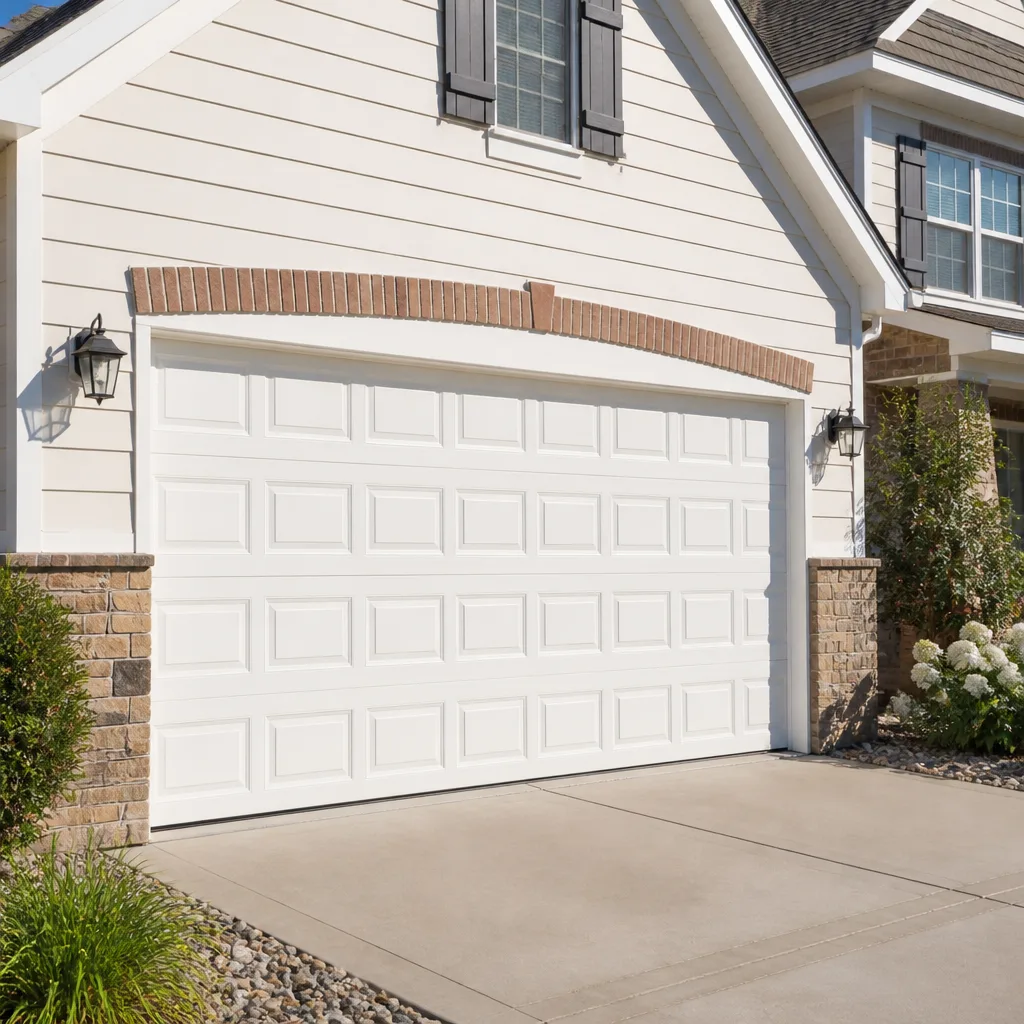 Raised-panel steel
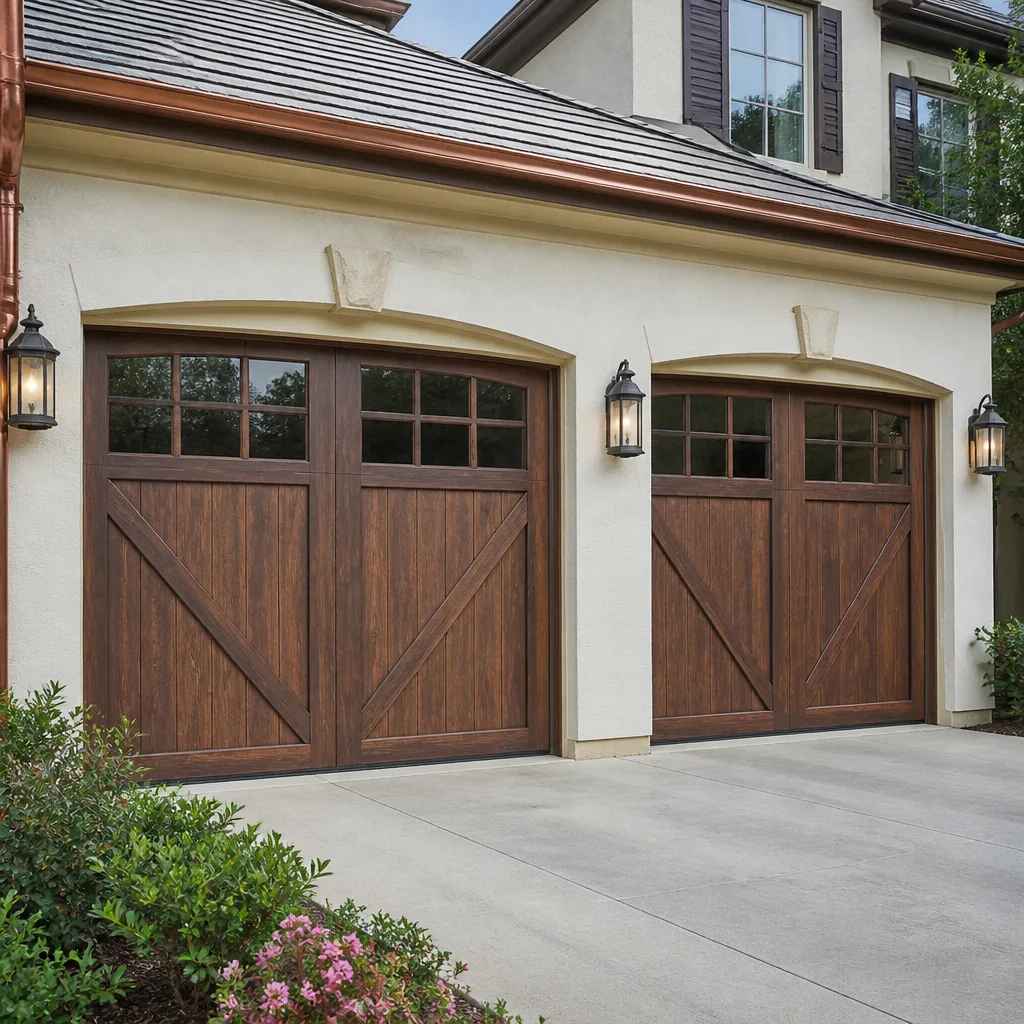 Carriage house
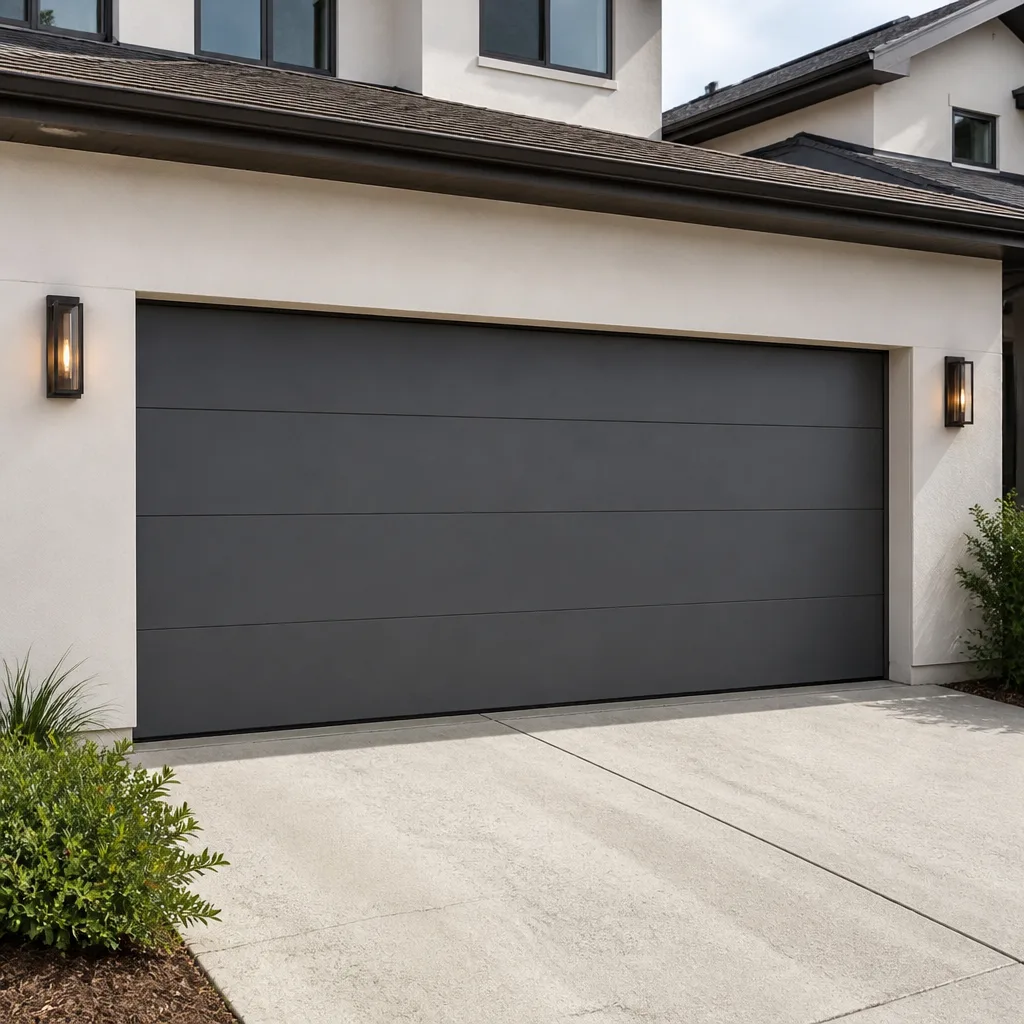 Modern flush
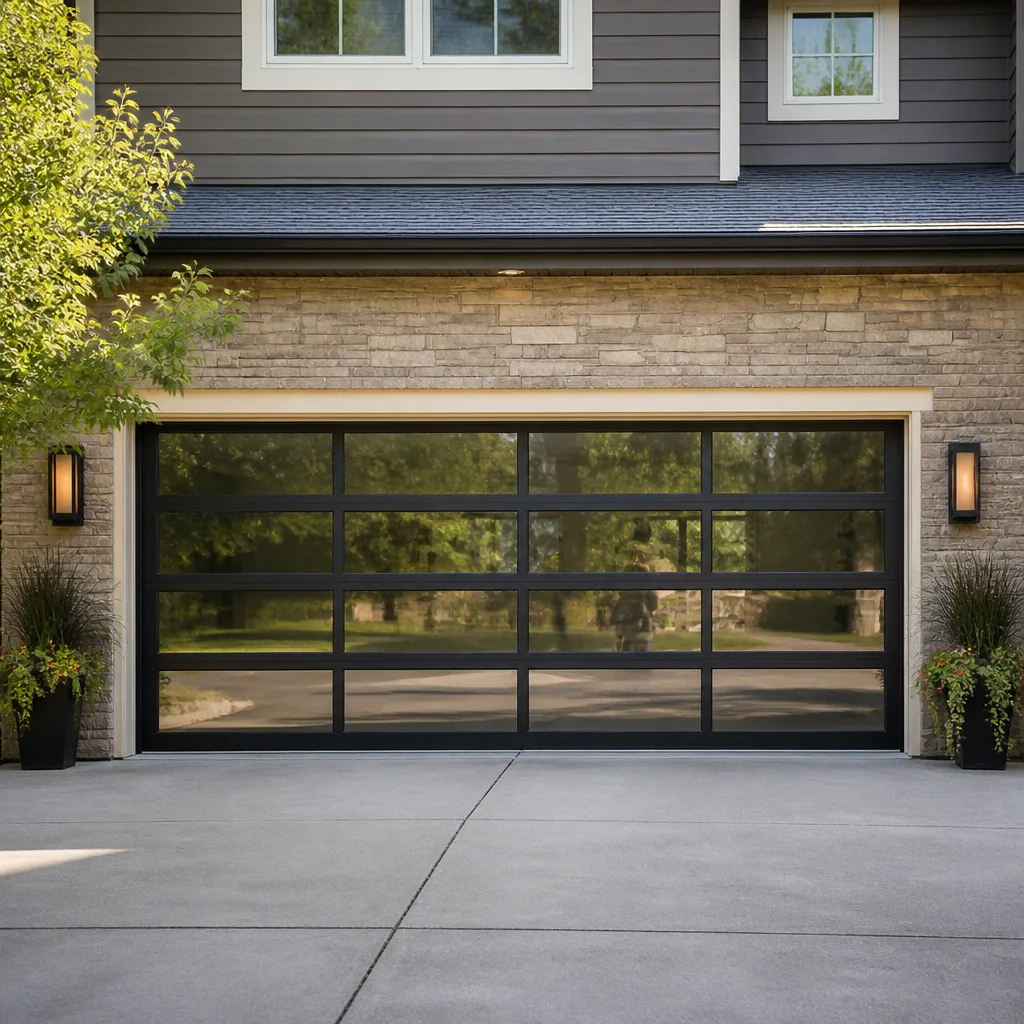 Full-view glass
 LiftMaster openers
 Chamberlain openers
Full 25-point door and opener safety check with every visit - springs, cables, rollers, tracks, and your LiftMaster or Chamberlain opener included
You get a price before we start. It does not change when the pro arrives.
Get your free estimateGarage Door Permits, Codes & Inspections in Hialeah, FL: What You Need to Know
Most homeowners assume a garage door is a garage door. In Hialeah, it isn’t. Miami-Dade County treats the garage door as a structural component of the home’s hurricane envelope, which means the door, its tracks, its anchors, and the paperwork proving all of it was tested to a specific wind load all matter as much as the panel finish. A door that looks perfectly fine can fail an inspection, fail an insurance review, or stall a sale, because the document trail behind it was never there. This guide walks through when a permit is required in Hialeah, what a Miami-Dade Notice of Acceptance (NOA) actually certifies, how the inspection sequence runs, and what happens when work was done without one. You’ll finish knowing exactly what a compliant garage door job looks like.
Quick Answer
In Hialeah, a garage door replacement or new installation generally requires a building permit through Miami-Dade County, and the door must carry a valid Miami-Dade Notice of Acceptance showing it was tested for the wind zone where your home sits. The permit triggers inspections: a rough-in check before the door goes up, a final inspection after, and in many cases a separate threshold bolt inspection. Skipping the permit doesn’t make the work invisible – it usually surfaces at insurance renewal or resale, where correcting it costs more than pulling it upfront.
Styles & brands we work with
- Raised-panel steel
- Carriage house
- Modern flush
- Full-view glass
- LiftMaster openers
- Chamberlain openers
Table of Contents
- When does a garage door need a permit in Hialeah?
- What is a Miami-Dade NOA, and why does it matter?
- The inspection sequence for a permitted garage door job
- What can a homeowner self-permit in Florida?
- What happens when garage door work was never permitted?
- Hialeah, Hialeah Gardens, and Miami Lakes: where the jurisdiction sits
- Why the code here reads the way it does
- What a compliant garage door job actually involves
When does a garage door need a permit in Hialeah?
A garage door needs a permit in Hialeah when it’s a new installation, when the door is being replaced in the High-Velocity Hurricane Zone, or when the work changes the door’s size, weight class, or anchoring. Routine service – a spring swap on an existing door, an opener replacement, a roller change – doesn’t trigger a permit, because you’re repairing a component, not altering the building envelope.
The distinction homeowners miss is between a like-for-like replacement and any change to the door itself. Swapping one door for another of identical size, weight, and wind rating, installed on the same tracks with the same anchor pattern, is generally treated as a replacement that still needs a permit in Miami-Dade but rarely needs structural review. The moment you go larger, heavier, or to a different glazing configuration, the county wants to see structural drawings alongside the product approval paperwork.
Three situations almost always require a permit in Hialeah:
- New construction or a garage addition. The door opening itself is part of the building permit scope.
- Full replacement of any door in the High-Velocity Hurricane Zone. The HVHZ covers Miami-Dade and Broward, so every garage door replacement in Hialeah falls inside it.
- Any change to opening width, height, or door weight class. Growing the opening or moving to a heavier door means new headers, new anchors, and structural review.
What typically does not require a permit: replacing a torsion spring, replacing an opener head unit, swapping a snapped cable, or replacing rollers and hinges. That’s maintenance on an approved door. If a technician tells you a spring repair needs a permit, that’s a sign to get a second opinion. We handle garage door spring repair as routine maintenance precisely because the door and its approvals are untouched.
One more wrinkle worth knowing: if a door fails inspection because the anchors don’t match the approved plans, the county can require that the door be removed and reinstalled with the right hardware. That’s why the permit application needs the correct product approval attached before the job starts, not after.
What is a Miami-Dade NOA, and why does it matter?
A Miami-Dade Notice of Acceptance, or NOA, is the county’s certificate that a specific product – a garage door model, in this case – has been tested to meet the wind-load and impact requirements for its category inside the county. It’s not the same as a Florida Product Approval, though the two are often confused. Florida Product Approval covers the state. The NOA is the Miami-Dade-specific layer, and in the HVHZ, the NOA is what your building department, your inspector, and your insurer will look for.
Every NOA carries an identifier – a number, an effective date, and an expiration date. That identifier is what goes on the permit application. Without it, the permit cannot be issued for a door installation, because there’s no way for the plan reviewer to confirm the door meets the code for the wind zone. A door might be perfectly made, in the right color, with a beautiful finish, and still not be legal to install in Hialeah because it was never tested for this wind category.
You can verify an NOA yourself through the county’s product approval database. The door either has an active approval for this jurisdiction, or it doesn’t. There’s no gray area and no negotiation with the county about it.
Where homeowners get hurt is when a contractor installs a door that either has no NOA or has an expired one. The door works. The opener works. Everything is fine – until:
- An insurance adjuster is reviewing a wind claim and asks for the NOA on the installed door.
- A building inspector does a final walkthrough on a later permitted project and notes the unapproved door.
- A buyer’s inspector pulls the property’s permit history before closing.
We see this most often when a door was installed by a general handyman or a dealer who didn’t specialize in Hialeah’s code environment. A garage door specialist handles the NOA as a matter of course – the paperwork is part of the job, not a mystery. That’s what specialty means here: the door and its approval come together. For brand-fit questions, we install and repair equipment across the eight major residential brands, including Wayne Dalton and Craftsman, because the door and opener have to match the approval, not the other way around.
If you’re not sure whether your current door has a valid NOA, that’s a question worth resolving before you have an insurance claim. It’s not a scary problem to fix, but it’s an expensive one to discover after the fact.
The inspection sequence for a permitted garage door job
A permitted garage door installation in Hialeah generally hits two to three inspection points. The rough-in inspection happens before the door is finished mounted, so the inspector can see the anchor plates, the framing, and the track attachment. The final inspection happens after the door is installed and operational. A threshold bolt inspection applies specifically to doors with threshold anchors – many impact-rated doors do – and the inspector verifies the bolt type and embedment match the approved plans.
Here’s how the sequence runs from the homeowner’s side:
- Permit application. The contractor (or you, if self-permitting) submits the permit with the door’s NOA number, structural drawings if required, and the door schedule.
- Plan review and issue. The county reviews the application. If the NOA and drawings line up, the permit issues.
- Work begins. Old door and tracks come out. Framing, anchors, and jamb condition are checked before the new door goes in – this is where technicians diagnose whether the surrounding structure is sound.
- Rough-in inspection. Anchors, framing, and track attachment are inspected. Some jobs require this step; others go straight through depending on scope.
- Door installation and adjustment. Springs, cables, opener, and balance are set. Every component is tested for the door’s actual travel.
- Threshold bolt inspection if applicable. The inspector verifies the bolts match the approved plans.
- Final inspection. Door tested under power, safety reverse verified, labeling confirmed, paperwork signed off. The permit closes.
Each of these inspections is a checkpoint that removes surprises later. If the framing has rot, the rough-in catches it. If the anchor pattern doesn’t match the approved drawings, the inspector flags it before the door is finished, when the correction is cheap. That’s the whole value of the sequence – it’s a chain of small verifications instead of one large correction.
Homeowners sometimes ask whether the door can be installed first and inspected afterward as a paperwork formality. Not how it works in Hialeah. The inspections gate the release of the door as a legal installation. Skipping them isn’t cutting a corner on inspection, it’s failing to install a compliant door.
What can a homeowner self-permit in Florida?
Florida law allows a homeowner to pull a building permit for work on their own single-family residence, as long as they intend to occupy the home and the work is within the owner-builder allowance. That includes certain structural and envelope work, and some homeowners successfully self-permit a garage door replacement. But “allowed” and “recommended” are different questions, and in Miami-Dade the surface where self-permitting gets complicated is the NOA.
Self-permitting requires you to attach the door’s NOA to the application and be able to answer the inspector’s questions about it during the rough-in and final. If the door doesn’t have a valid NOA for the wind category, the permit won’t be issued – and that’s on you to resolve before the door is ordered. Homeowners often order a door first and discover the approval problem after. The sequence matters: approval first, door second.
A few things a self-permitting homeowner needs to be prepared for:
- The plan review questions. The county asks about the door’s wind rating, the anchor schedule, and the framing the door is landing on. If you can’t answer, the application stalls.
- The contractor sign-off if the door is under warranty. Many manufacturers’ installation warranties require licensed installation. Self-installing can void them.
- Insurance and safety. A torsion spring is a high-tension mechanical component. Installing one is not a homeowner task, and no permit makes it safer.
What a homeowner cannot self-permit in Florida: work that requires a licensed contractor by statute, work on any property you don’t occupy as your primary residence, and work that changes the structure of the home beyond the owner-builder allowance. A rental property in Hialeah, for example, can’t be self-permitted by its owner as a residential owner-builder. That job needs a licensed contractor with the correct registrations and insurance to pull the permit.
In practice, most of the homeowners we work with prefer to have the permit handled end to end – the application, the NOA attachment, the inspections, and the final. It’s not a secret handshake. It’s paperwork that’s easier when it’s routine. If you’re going the self-permit route, plan the sequence: identify the door model, verify the NOA, order the permit, install, inspect. If you’re going the contractor route, ask the contractor who is pulling the permit and who is attending the inspections.
What happens when garage door work was never permitted?
Unpermitted garage door work generally surfaces in Miami-Dade at two moments: an insurance claim or underwriting review, and a real estate transaction. When it surfaces, the correction process is straightforward but costs more than pulling the permit upfront – because you’re paying for permit fees, plan review, inspections, and often re-work on top of what you already paid the original installer.
Here’s what the discovery looks like in practice:
- Insurance underwriting or claims. An adjuster reviewing a wind damage claim asks for the NOA and the permit record. If either doesn’t exist, the door may not be covered as a structural element of the home’s hurricane envelope.
- Home inspection during resale. A buyer’s inspector pulls the property’s permit history through the county. A garage door replacement in the last several years with no corresponding permit draws a correction notice as a condition of the transaction.
- Code enforcement walkthrough. A neighbor complaint, an unrelated inspection, or a fence or roof project can surface the unpermitted door as part of a wider review.
The correction itself typically requires:
- An as-built determination of what’s actually installed – which means verifying the door’s model and confirming whether it has a valid NOA.
- If the door has no valid NOA, removal and replacement with an approved door.
- If the door has a valid NOA but was installed outside the approved anchor pattern, re-anchoring or full reinstallation.
- Pulling the permit after the fact, which often includes a late-fee schedule and multiple inspections.
- Attending the rough-in, final, and threshold bolt inspections as if the job were being done now.
The honest economics: pulling a permit upfront on a door installation is a modest fraction of the door cost. Pulling it after the fact, when correction work is in scope, is often several times that. The paperwork is cheaper when it’s part of the job.
If you’re buying a home in Hialeah and the seller’s garage door looks recently replaced, ask for the permit record and the NOA before closing. If either is missing, factor the correction into the negotiation. This is normal due diligence in Miami-Dade, not a hostile request.
Hialeah, Hialeah Gardens, and Miami Lakes: where the jurisdiction sits
Hialeah sits inside Miami-Dade County, which means the county’s building code governs garage door permits and inspections for most properties in the city. Hialeah has its own building department for certain review functions, and the county handles the HVHZ product approval layer. In practical terms, a permit application for a garage door installation in Hialeah goes through the city and the county, and the NOA verification step is the county’s.
Adjacent cities like Hialeah Gardens and Miami Lakes sit in the same county and the same HVHZ, so the NOA requirement travels with you. What changes between municipalities is the permit submittal process, the inspection scheduling, and the local reviewer’s expectations on structural drawings. If you’re working across a boundary – say a rental in Hialeah Gardens and a primary home in Hialeah – the same door might need a slightly different submittal package on each property.
Neighborhoods in Hialeah where we handle the most garage door permit questions include:
- Palm Springs North – a lot of two-car garages with older doors where replacement triggers the full permit sequence.
- Hialeah Acres – more additions and reconfigurations, which pull garage door work into structural review.
- Country Club – homes where an original door from before the current code cycle is due for replacement entirely.
If you’re not sure which jurisdiction your property falls under, the answer sits on your property tax record and in the permit history. Checking before ordering the door is easier than checking after.
The other local wrinkle: a lot of Hialeah housing stock was built before the current HVHZ product approval process matured. That means older doors frequently lack a valid NOA – not because anyone meant to skip the code, but because the code as we know it today wasn’t in place when the door was installed. If you’re replacing an original door on a Hialeah home from the pre-NOA era, the replacement isn’t “over-complicated by paperwork.” It’s actually bringing the home into compliance for the first time.
Why the code here reads the way it does
Miami-Dade’s garage door code is one of the most demanding in the United States, and it’s built around one thing: hurricane wind exposure. A garage door is the largest single opening in the exterior envelope of a typical Hialeah home. Under wind pressure, a door that fails at the panel or at the anchor creates a pressure differential inside the house that can lift a roof or blow out windows from within. That’s why the code cares about the door’s tested wind rating, and it’s why the NOA exists as a separate document from the manufacturer’s spec sheet.
The other thing that drives the code here is heat and humidity. Hialeah’s climate is warm and wet through most of the year, which shortens the maintenance interval on springs, cables, rollers, and door finishes. A door that sits through a summer in a garage with limited airflow corrodes faster at the anchors and at the bottom brackets than one in a drier climate. That’s not a code item, but it’s a reason to have the door and its hardware checked regularly, so a small component failure doesn’t become a structural one.
Rain-driven moisture also affects the bottom seal and bottom bracket, which sit in standing water on a sloped Hialeah driveway during a summer storm. If the seal is gone, water travels into the door edge and puts load on the bottom bracket, which is a load the anchor wasn’t designed for.
The code and the climate interact in one practical way: any door replacement in Hialeah is happening in the HVHZ, in a hot and humid environment, with a full anchor and spring load on the assembly. There’s no such thing here as a “light-duty” garage door job. The compliance requirements and the maintenance realities push in the same direction.
What a compliant garage door job actually involves
A compliant garage door job in Hialeah involves four layers: the door itself with a valid NOA for the wind category, the correct anchor schedule and framing for that door, the permit and inspections that verify the first two, and the installation work done by technicians who understand how the wind rating is achieved on this specific door. Miss any one of those and the job looks finished but isn’t compliant.
Here’s what to expect from a job done right, from the first walkthrough to the close of the permit:
- Door selection with the NOA in hand. The door is chosen with its NOA already identified, before the order goes in. Every model we install – LiftMaster, Chamberlain, Genie, Clopay, Amarr, Wayne Dalton, Craftsman, and Raynor – has an approval trail we verify against the property’s jurisdiction.
- Structural check on the opening. Framing, headers, and jamb condition are checked before the new door goes in. In Hialeah’s older housing stock, this step occasionally turns up rot that has to be repaired before the door can be installed, and that repair is priced in the written estimate before any work begins.
- Permit submittal and plan review. The application carries the NOA number and the anchor schedule. If structural drawings are required, they’re prepared and submitted upfront.
- Installation. Tracks, dual torsion or extension springs, opener, hinges, rollers, and sensors go in with the door’s tested anchor pattern. Every component is tested for the door’s actual travel, not a generic setting.
- Safety verification. Safety reverse tested at the obstruction point, tension tested, balance tested. If the door is paired with an opener, the opener is set to the door’s actual weight, not a default.
- Inspections attended. Rough-in, threshold bolt (if applicable), and final. Paperwork signed off, permit closed. You receive the record and keep it with your home’s documents.
We’ve handled enough garage door repair and installation across Hialeah to know which failures are common here: torsion spring snaps on doors that haven’t been re-tensioned in years, anchor corrosion on doors near ground level, and opener failures on doors that have been running heavy loads. Those are the maintenance side. The compliance side is separate and complementary – the door has to be approved, installed correctly, and maintained.
Our technicians have up to 10 years of experience with these systems, which matters most when the door’s frame doesn’t match the drawing, or when the NOA verification turns up an issue the original installer missed. Precision in the installation is what makes the wind rating real. A door approved to a specific wind load but anchored outside its tested pattern hasn’t achieved that rating, no matter what the label says.
Common Mistakes to Avoid
- Ordering the door before verifying its NOA. The most common and most expensive mistake. Confirm the door has an active Miami-Dade approval for the wind category before the order goes in, not after the crate shows up at the driveway.
- Assuming a like-for-like replacement is exempt. In the HVHZ, even a same-size, same-weight replacement needs a permit. The “it’s the same door” reasoning doesn’t hold up in the plan review.
- Letting a general handyman install the door. Handymen are typically not permitted to pull garage door permits in Miami-Dade. If a handyman offers to “do it off the books,” that’s a sign the job won’t pass an inspection later.
- Skipping the threshold bolt inspection on an impact-rated door. If your door uses threshold anchors, that inspection is a separate scheduled step. Missing it leaves the permit open, which will surface during a resale.
- Installing a door with an open permit on the property. If the permit is open when you sell, the buyer’s inspector will require it closed as a transaction condition, usually at your expense.
- Assuming the door’s finished look means the job is compliant. A door can be perfectly finished, operating smoothly, and still fail an inspection because the anchor schedule doesn’t match the approved plans.
- Trusting a verbal install agreement instead of a written estimate. The written estimate is the price. Any door installation treated as a verbal job is a job with no paper trail, and no paper trail is a problem in this county.
Each of these mistakes has one root cause: treating the garage door as a cosmetic feature rather than an envelope component. Once you’ve seen a claim or a closing get held up over missing paperwork, the permit sequence stops feeling like bureaucracy and starts feeling like the cheap path.
See the difference
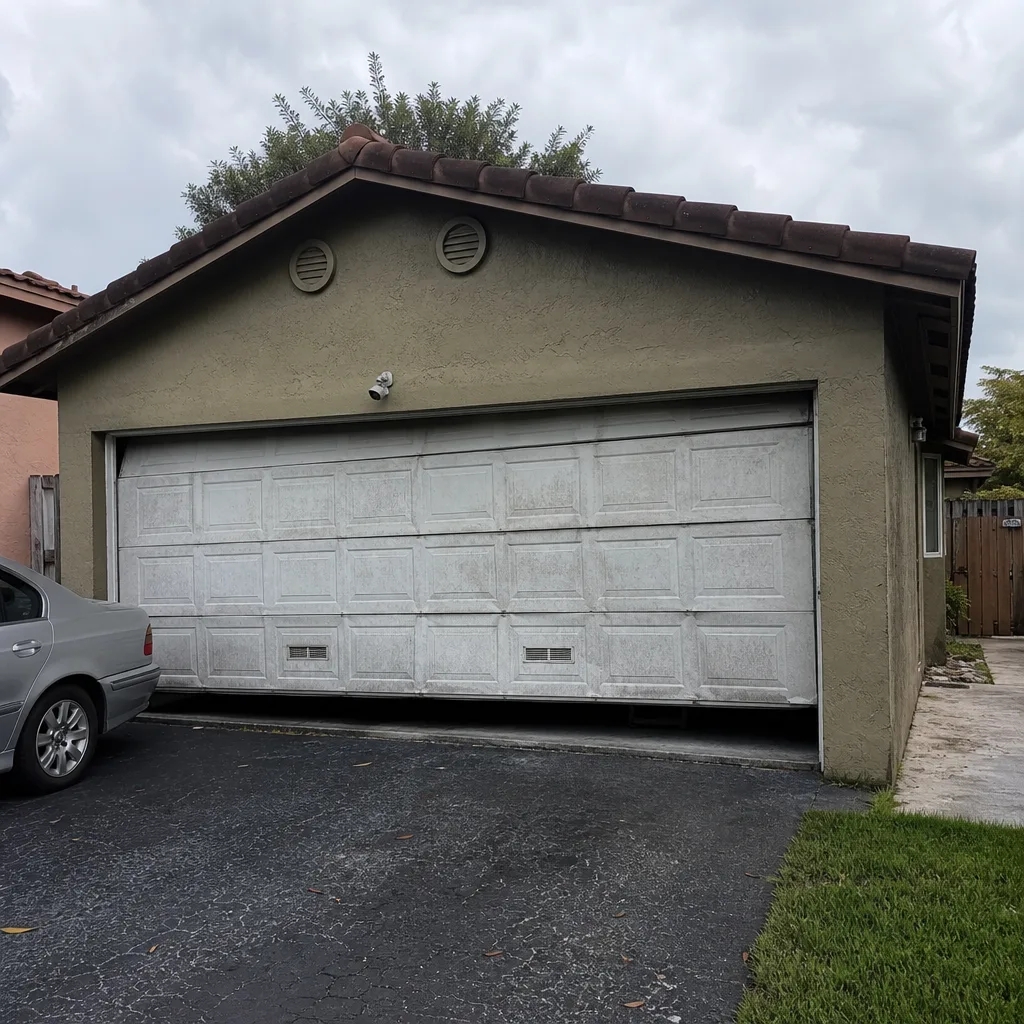 Before
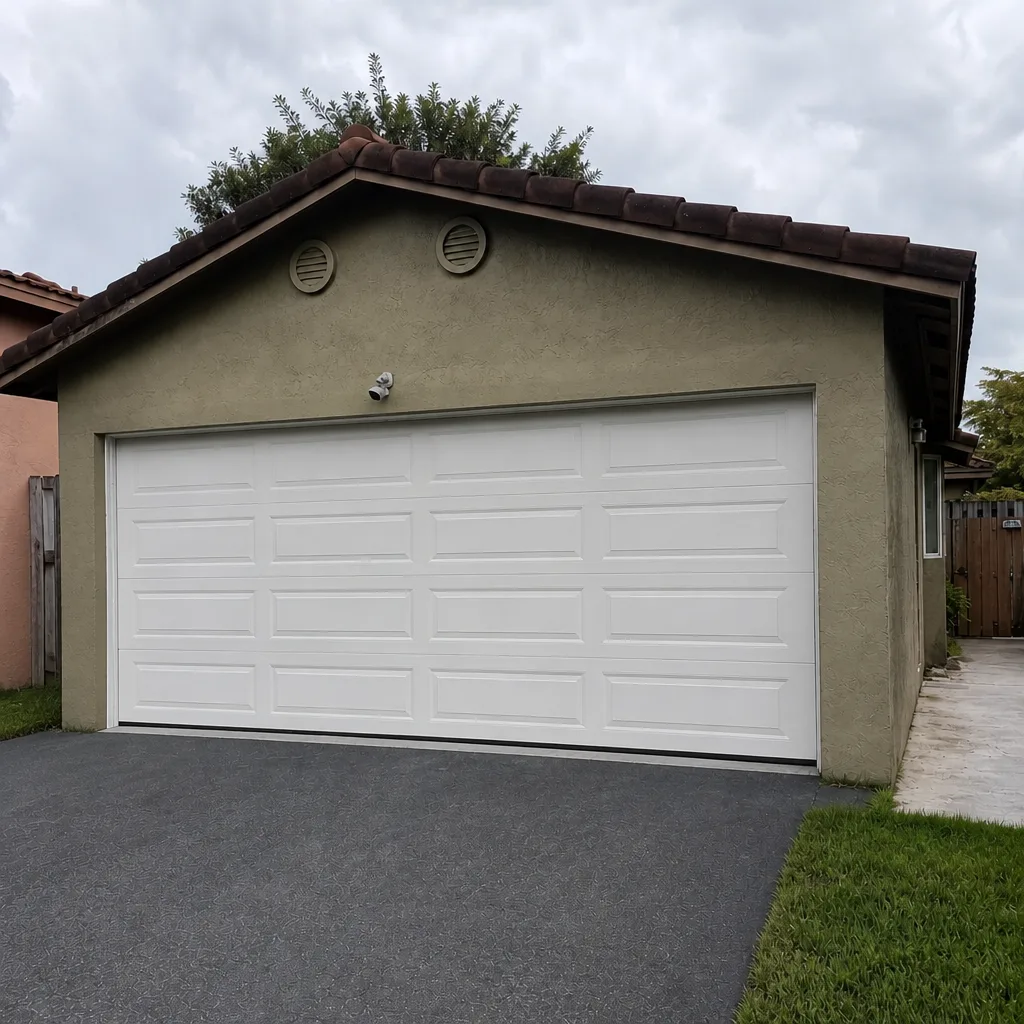 After
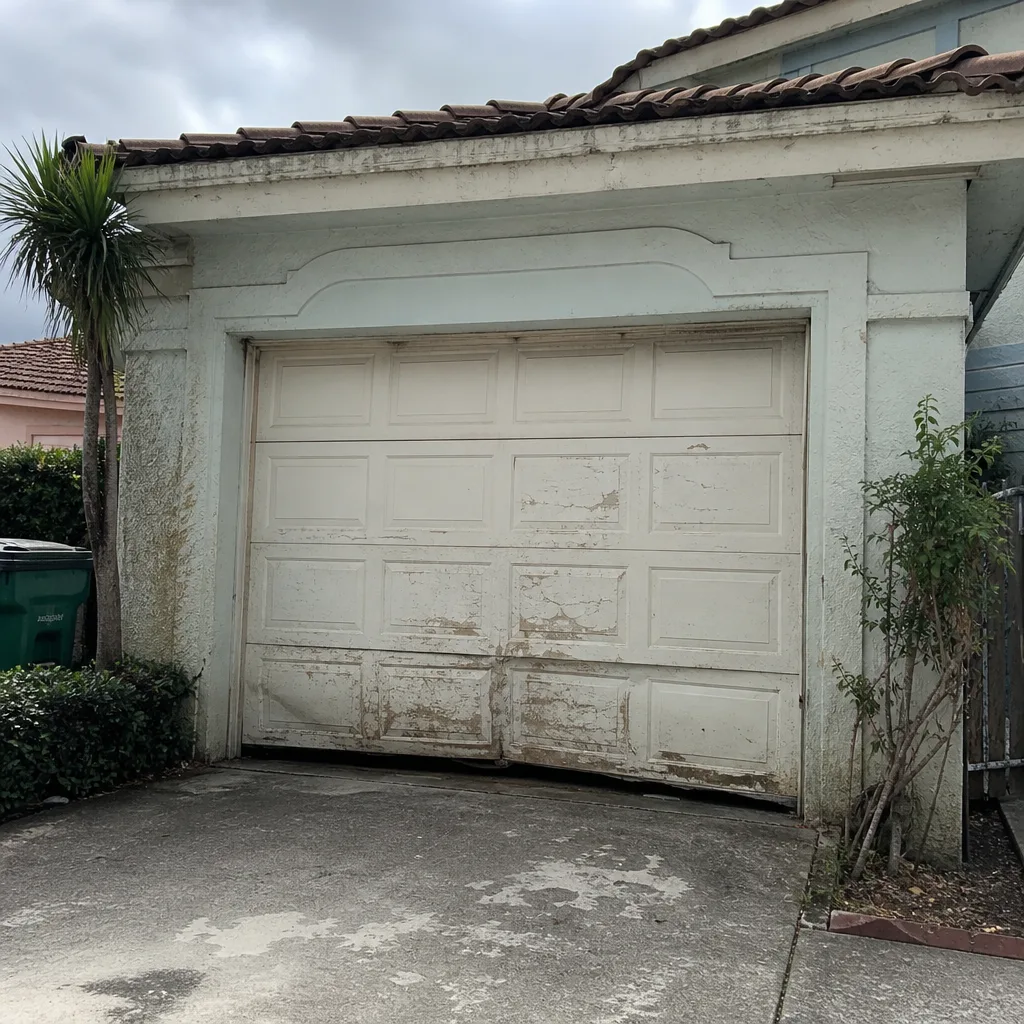 Before
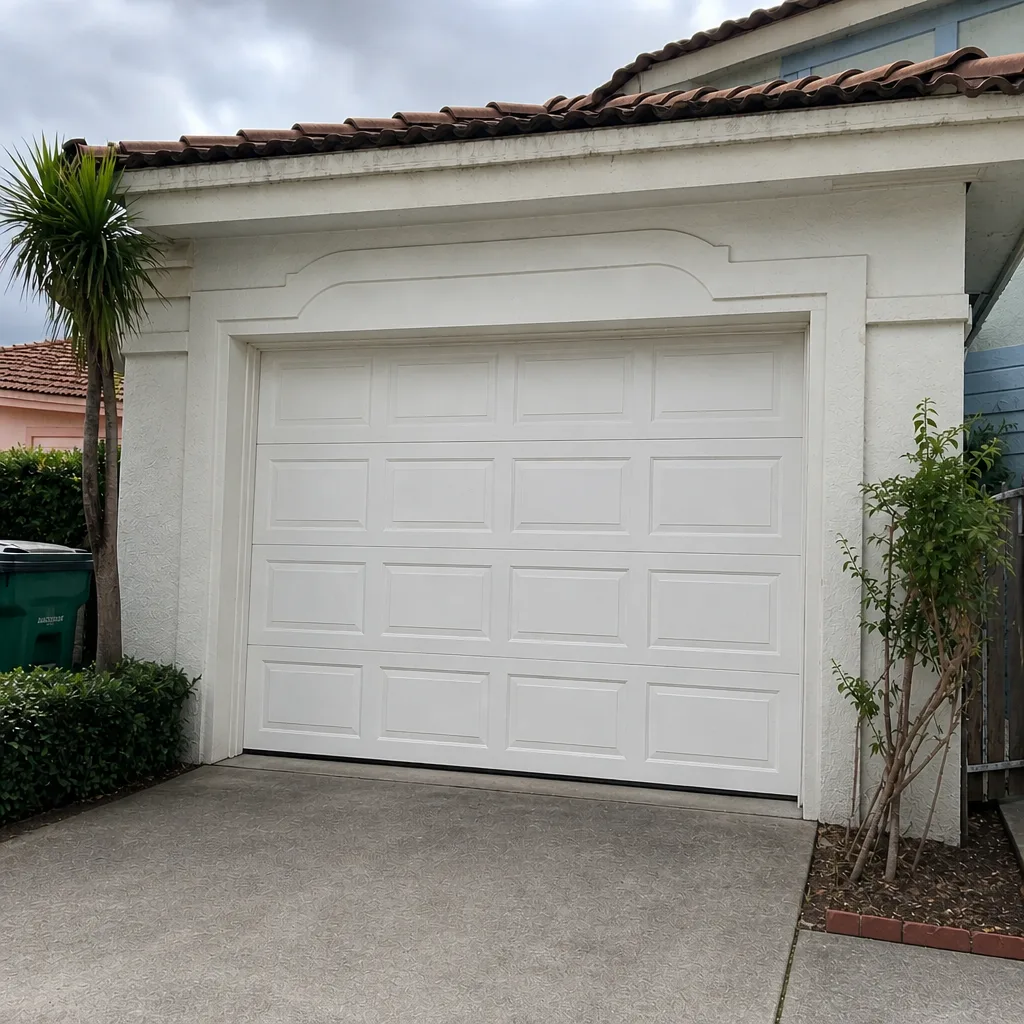 After
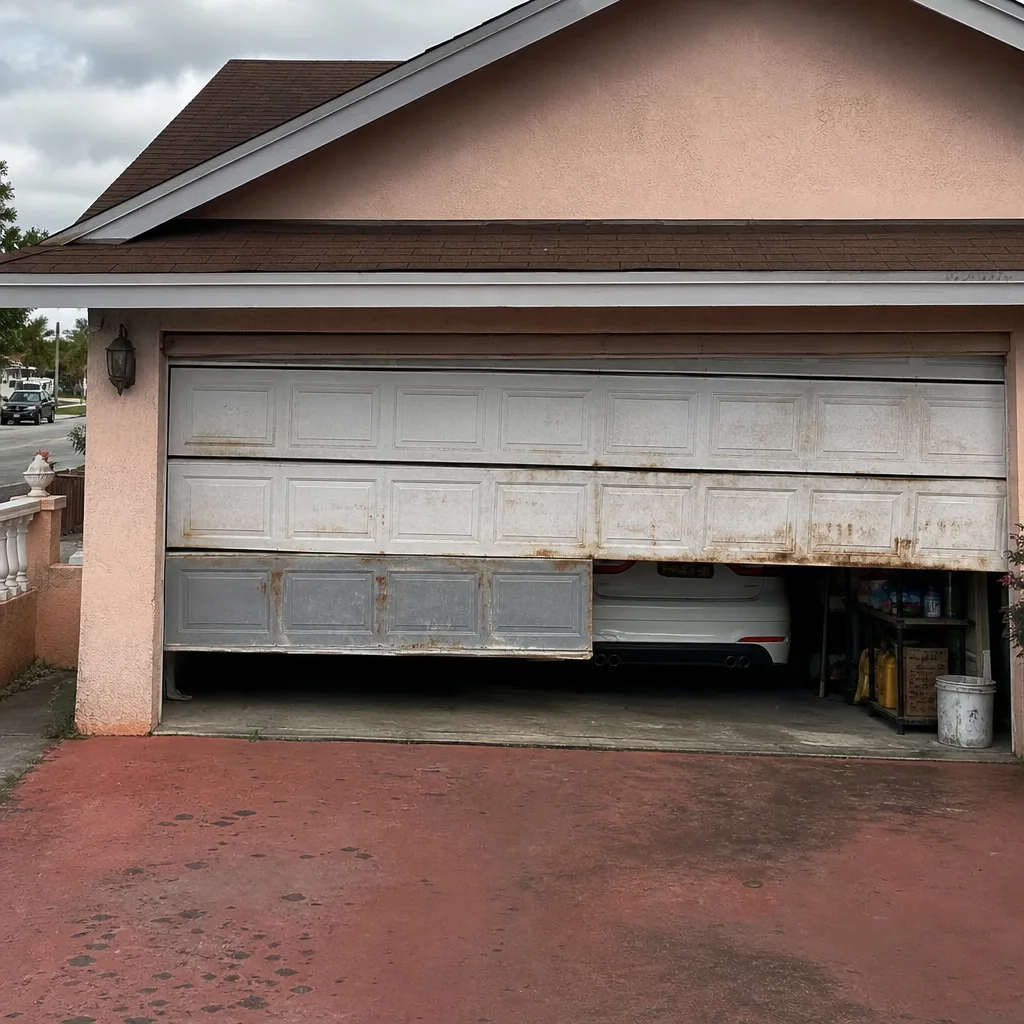 Before
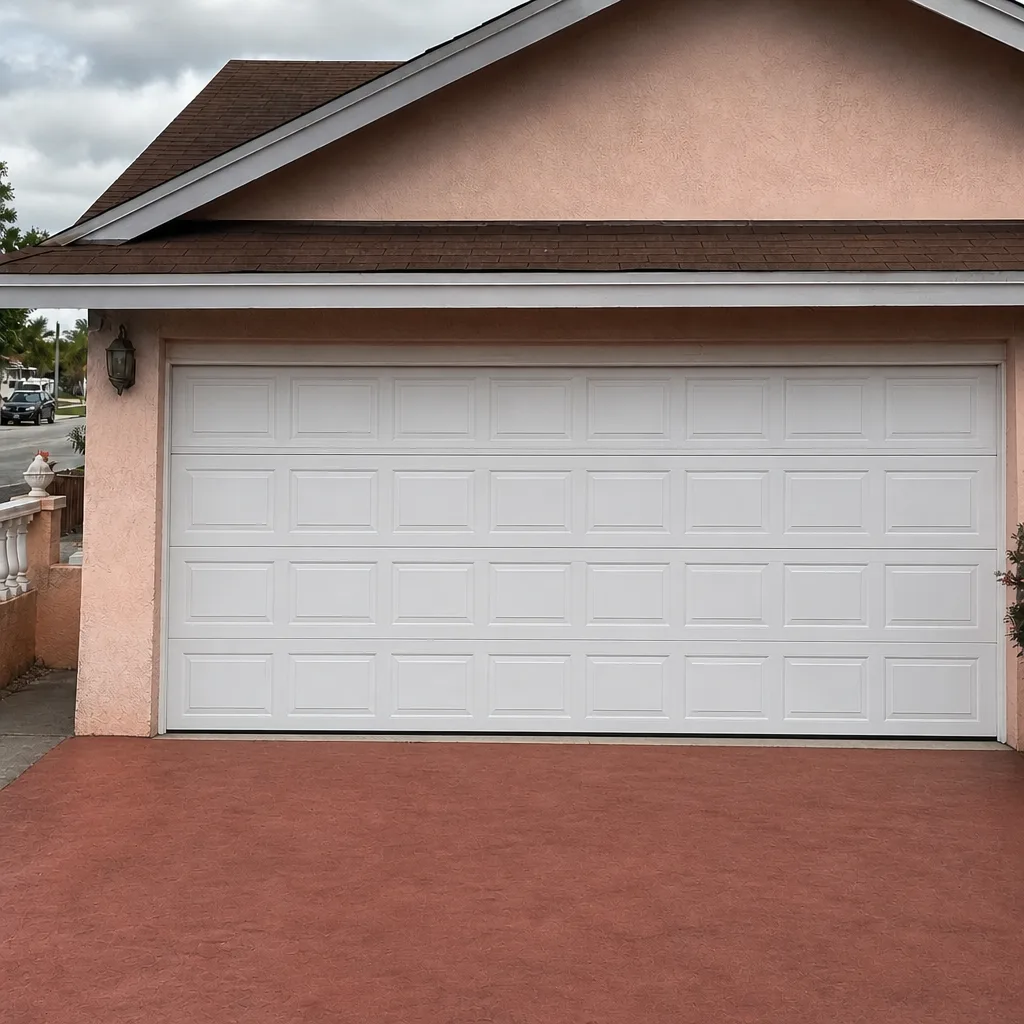 After
When to Call a Professional
Call a specialist when the door is being replaced and the NOA question is unclear, when the permit is open and the correction path is uncertain, when a torsion spring has failed and the door is unsafe to operate, or when the opener has stopped responding and the door is trapping a vehicle. Call when you’re not sure whether your current door has a valid approval – that’s a five-minute verification with the right paperwork in front of you, and it saves a five-figure problem later. Call when a real estate transaction is on the horizon and the permit history matters.
Hialeah Garage Door Repair Experts offers free estimates in Hialeah – call (888) 584-5554. We answer 24/7. Fast dispatch from 7am to 7pm, Sunday through Friday. Every garage door repair job, opener replacement, spring swap, and installation is quoted in writing before any work starts, so the price you agree to is the price the job is billed at. If you’re mid-project or mid-transaction, call and we’ll walk through what the record needs to show.
Frequently Asked Questions
Yes, a garage door replacement in Hialeah generally requires a Miami-Dade building permit because the property sits inside the High-Velocity Hurricane Zone, and the door must carry a valid Notice of Acceptance. That applies even to a same-size, same-weight replacement. Routine service like spring, opener, or roller repair on an existing door doesn’t need a permit, because the door and its approvals are untouched. If you’re not sure which category your job falls into, call (888) 584-5554 – estimates are free, and we’ll tell you straight.
A Miami-Dade Notice of Acceptance is the county’s certificate that a specific garage door model has been tested to meet the wind-load requirements for its category inside the county. It’s the document your permit application references and your insurer or inspector will look for after the fact. Without an active NOA, the permit cannot be issued for a door installation, and a door installed without one can become an insurance and resale problem. We verify the NOA before any door is ordered – call (888) 584-5554 and we’ll walk through what’s on file for your address.
Florida law allows a homeowner to pull a building permit for work on their own primary residence, including in some cases a garage door replacement, but the self-permitting route requires you to attach the door’s NOA and answer county questions during inspections. The door has to be approved for this wind zone before it’s ordered, and the installation work has to satisfy the same inspection sequence as a contractor-permitted job. If the property is a rental or a second home, self-permitting isn’t available and a licensed contractor has to pull the permit. If you’re weighing both paths, call (888) 584-5554 for a free estimate to compare.
Unpermitted garage door work in Miami-Dade usually surfaces at an insurance claim or a resale inspection, and the correction path requires pulling the permit after the fact plus whatever re-work the door needs to match the approved plans. If the door has no valid NOA, replacement with an approved door is typically part of the fix. The correction cost is higher than the cost of pulling the permit upfront – plan review, inspections, and re-work all land at once. If you’ve just discovered an unpermitted door, call (888) 584-5554 and we’ll scope the correction honestly.
Many impact-rated garage doors in Hialeah do require a separate threshold bolt inspection, and the inspector verifies that the installed bolts match the approved plans for type and embedment. Whether your door needs it depends on the specific model and its approval – most installation permits will indicate the required inspections when the permit issues. Skipping it leaves the permit open, which becomes a resale problem later. For door replacement or opener work that will require a permit, call (888) 584-5554 – estimates are free.
Repair work – springs, openers, cables, rollers, sensors – doesn’t need a permit, so it can usually go same-day when the dispatch schedule allows. Garage door opener repair and spring repair are the two fastest paths back to a working door. Full replacement is measured, approved, and scheduled around the permit, so it doesn’t run on the same clock, but repairs on a permitted door don’t wait for permit processing. Call (888) 584-5554. We answer 24/7. Fast dispatch from 7am to 7pm, Sunday through Friday. A call outside dispatch hours is booked into the next opening.
The Bottom Line
Garage door permits and inspections in Hialeah exist because the garage door is a structural part of the home’s wind envelope, not a cosmetic feature. A compliant job means a door with a valid Miami-Dade Notice of Acceptance, installed on the approved anchor pattern, inspected through rough-in, threshold bolt (when applicable), and final, with the permit closed and documented. A non-compliant job can look identical – until a claim, a sale, or an unrelated inspection pulls the paperwork forward. The permit sequence is the cheap path. The correction path is the expensive one. If you’re replacing a door, verifying an existing one, or correcting one that was installed without a permit, the answer starts with the door’s NOA, and the work runs from there. We work exclusively on garage doors, across all eight major residential brands, and we’d rather tell you what your job needs than what you want to hear. Call (888) 584-5554 for a free estimate – the written quote sets the price before any work starts. We answer 24/7. Fast dispatch from 7am to 7pm, Sunday through Friday.
Written by the team at Hialeah Garage Door Repair Experts.