
Last updated November 21, 2026
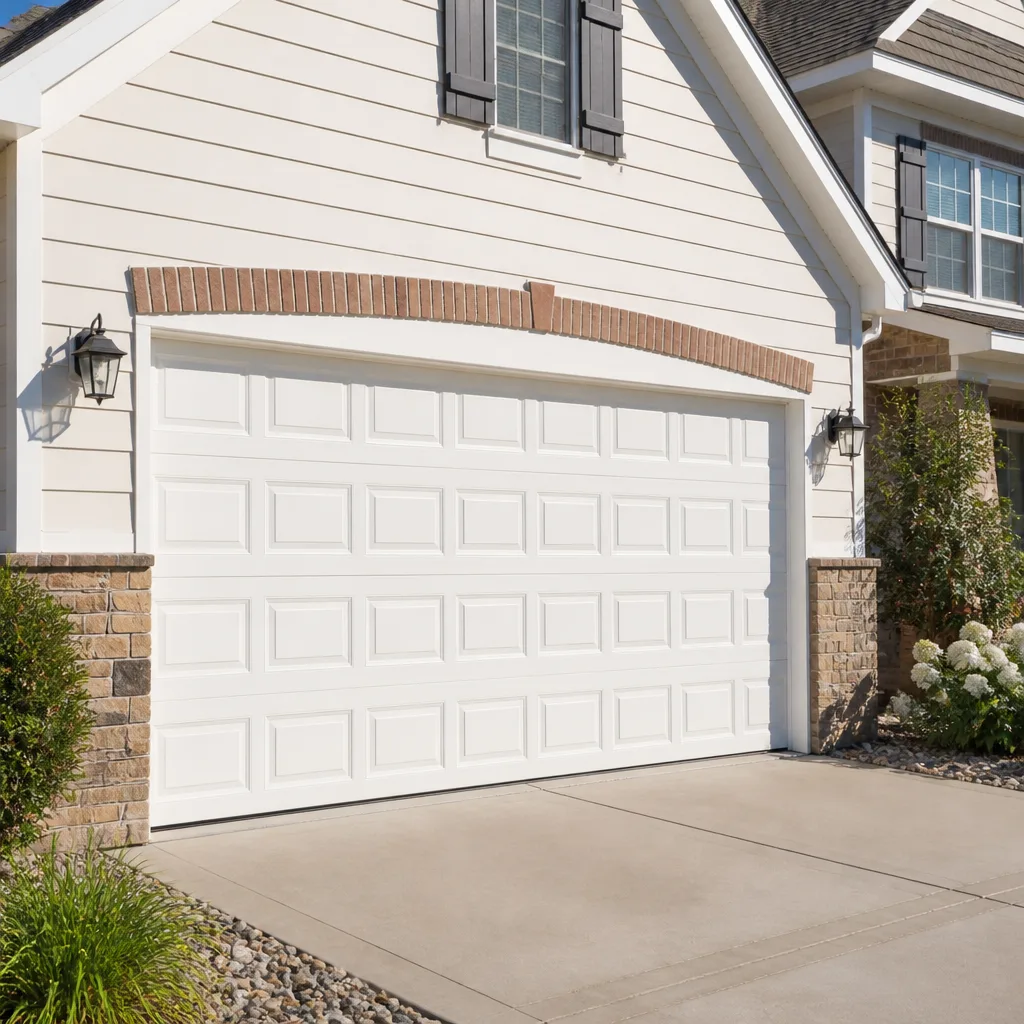 Raised-panel steel
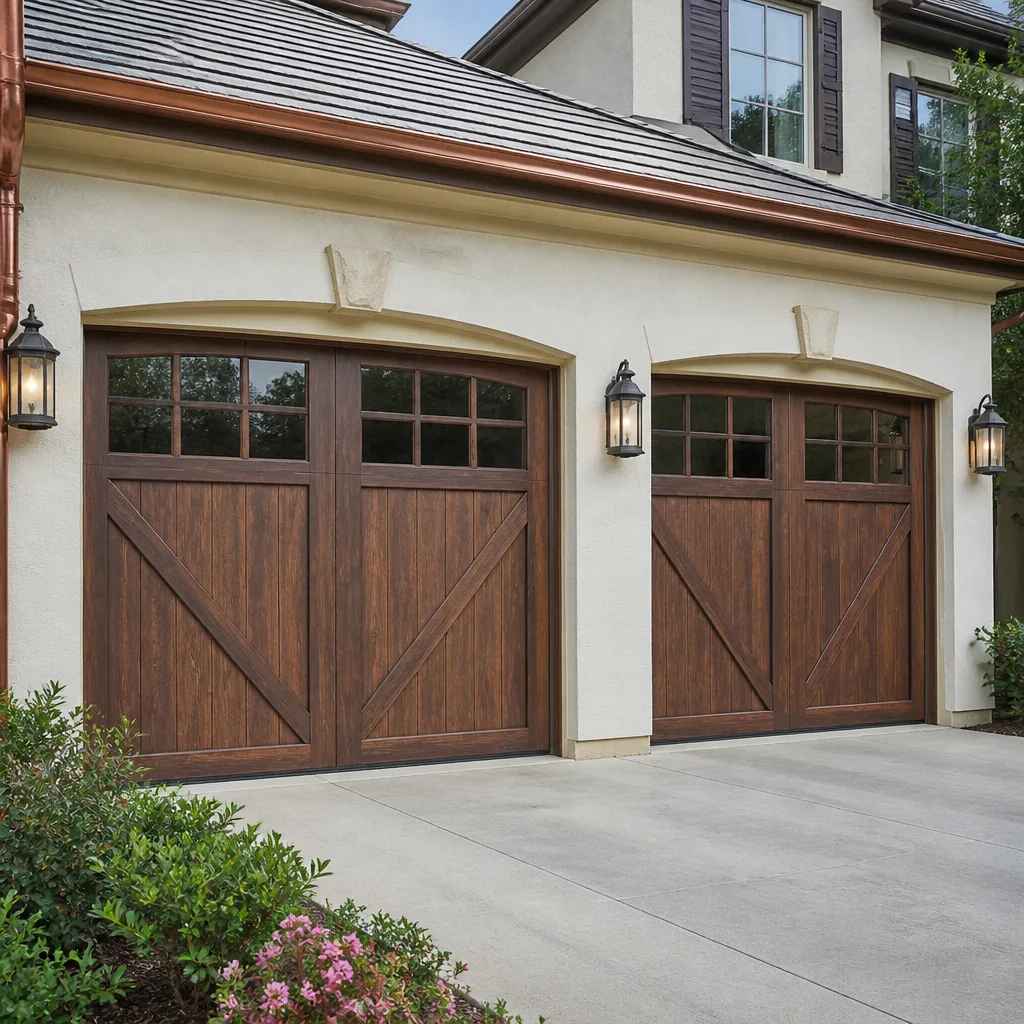 Carriage house
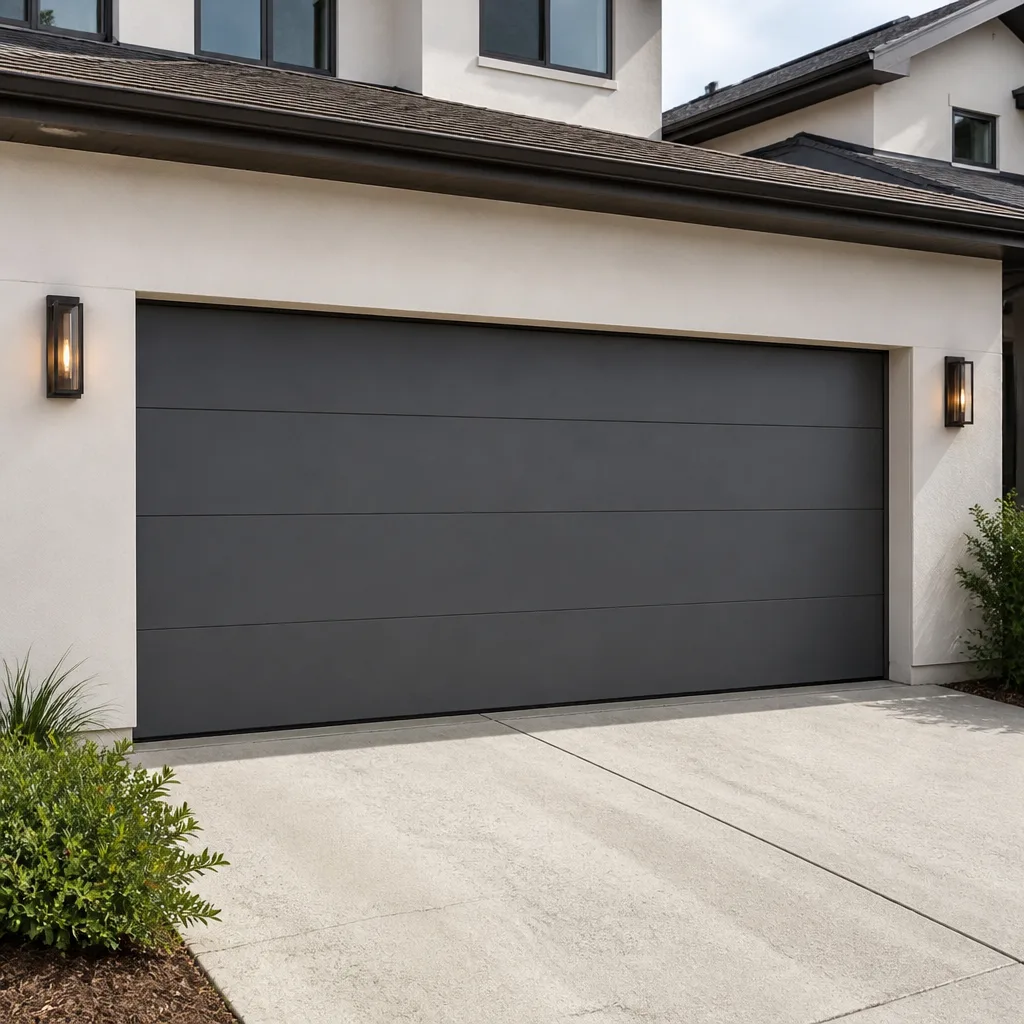 Modern flush
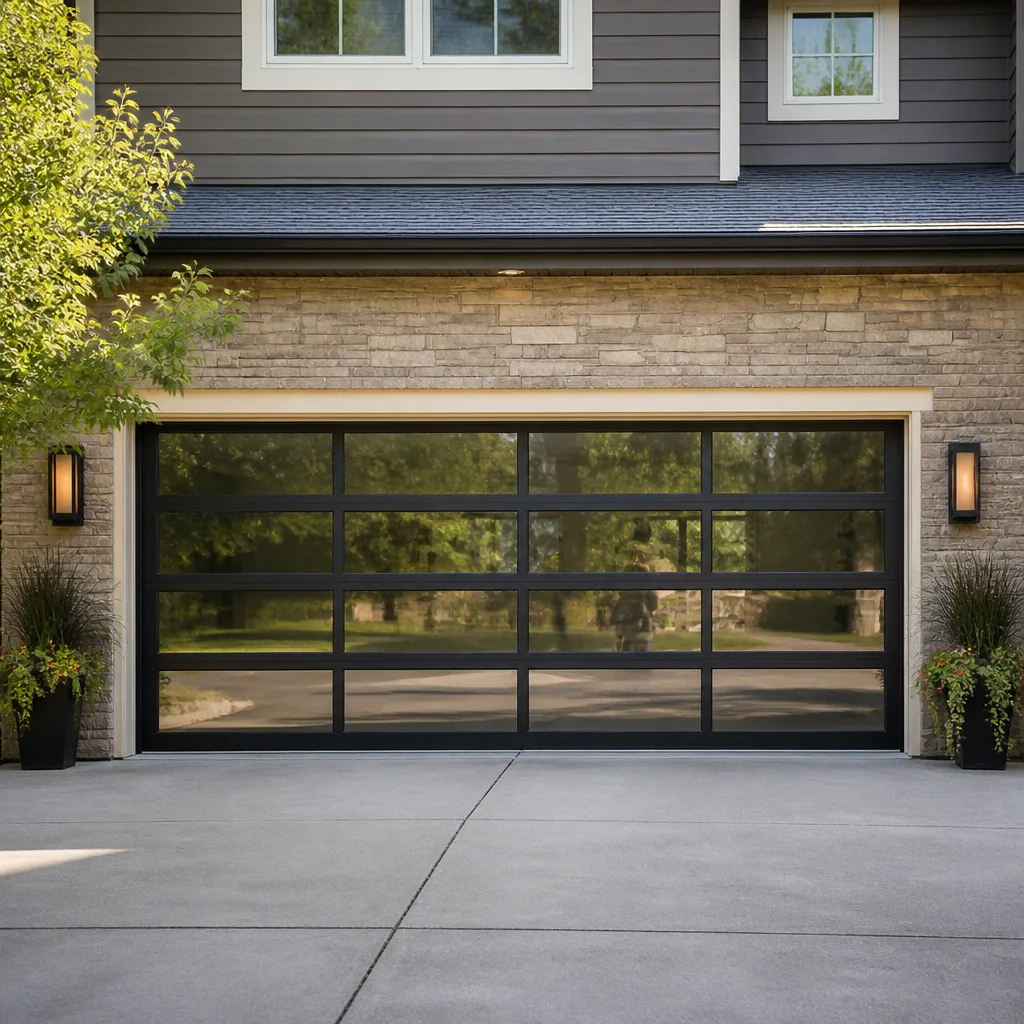 Full-view glass
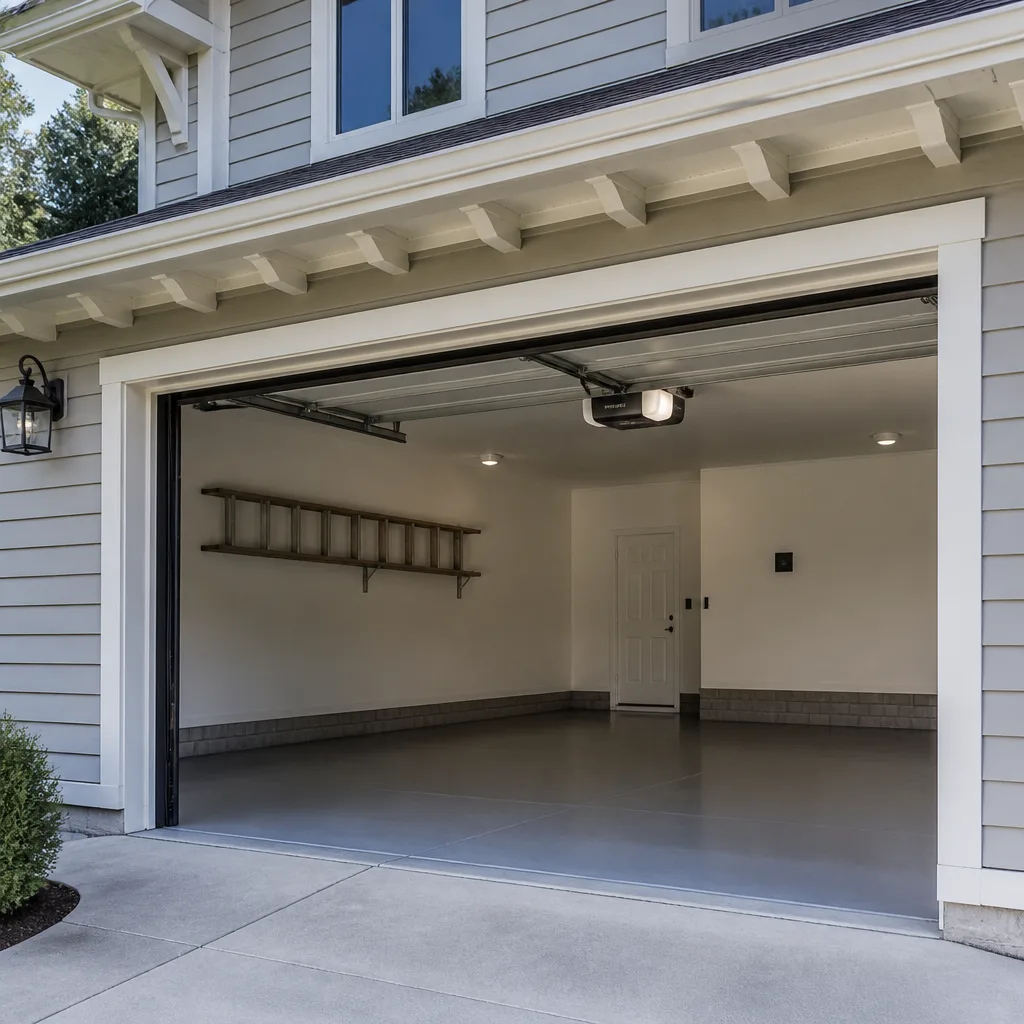 LiftMaster openers
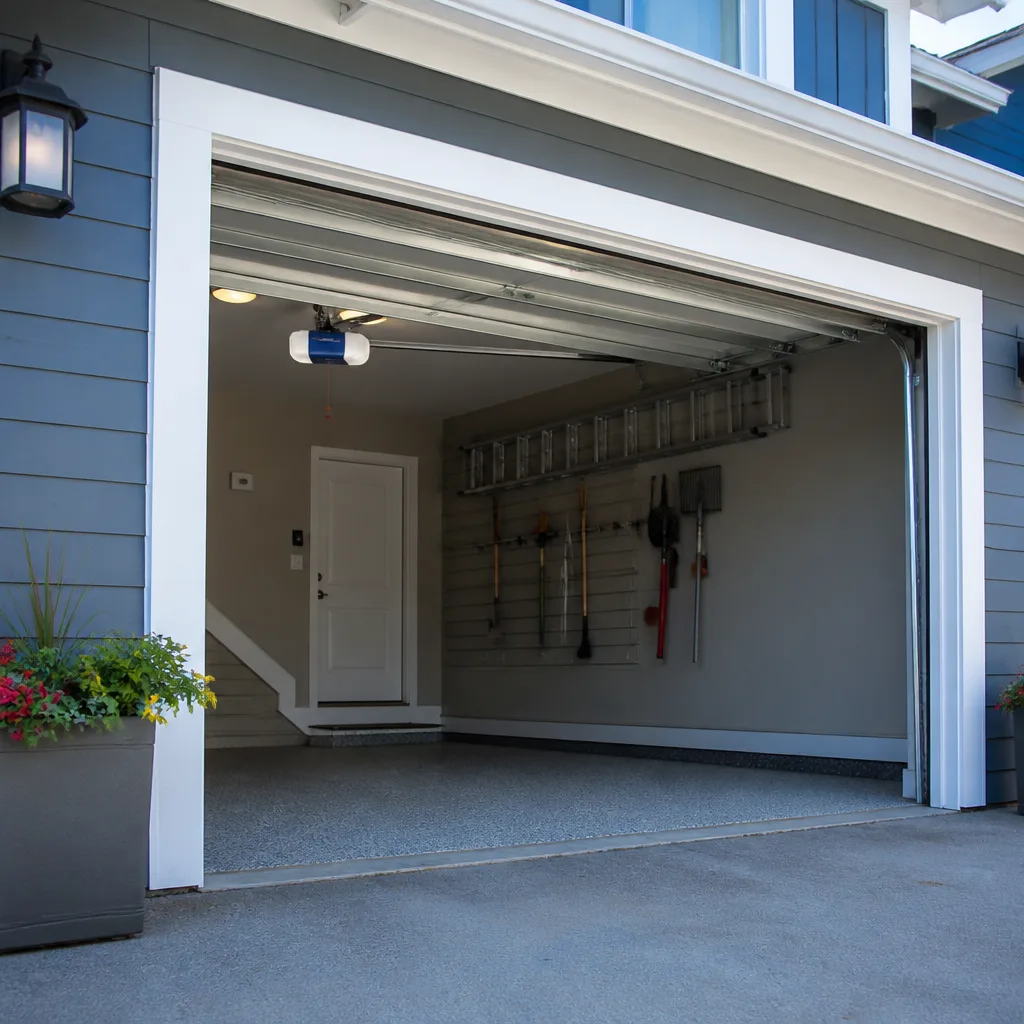 Chamberlain openers
Full 25-point door and opener safety check with every visit - springs, cables, rollers, tracks, and your LiftMaster or Chamberlain opener included
You get a price before we start. It does not change when the pro arrives.
Get your free estimateDIY vs Professional Garage Door: The Hialeah Homeowner’s Decision Guide
Most advice about garage door repairs splits into two useless camps: “DIY everything” or “call a pro for everything.” Neither is honest. Some tasks on a garage door are genuinely simple and safe for a careful homeowner with a Saturday morning and a socket set. Others involve stored mechanical energy that can break bones or worse if something slips. The line between those two categories isn’t about how handy you are. It’s about physics, and in Hialeah it’s also about local code. This guide draws that line task by task, so you can decide what to tackle and what to hand to a specialist.
Quick Answer
Lubrication, sensor alignment, remote reprogramming, and bottom seal replacement are reasonable DIY jobs for a careful homeowner. Torsion spring work, cable replacement, track realignment, and full door installation belong to a trained professional because of stored energy, code requirements, and the risk of a door coming down uncontrolled. If the task involves the springs, the cables, or the structural alignment of the door, call a specialist.
Styles & brands we work with
- Raised-panel steel
- Carriage house
- Modern flush
- Full-view glass
- LiftMaster openers
- Chamberlain openers
Table of Contents
- Why the DIY vs Professional Line Matters in Hialeah
- The Task-by-Task Breakdown: What’s DIY and What Isn’t
- Why Torsion Springs Are More Dangerous Than Any Tutorial Suggests
- Florida and Miami-Dade Code: When DIY Isn’t Just Risky, It’s Non-Compliant
- The Real Math: DIY Spring Replacement vs Professional Service
- Boundary Tasks: Panel Dents, Cable Drums, and How to Decide
- Safe DIY Tasks Done Right: A Step-by-Step for the Simple Stuff
- When Professional Help Is the Only Sensible Call
Why the DIY vs Professional Line Matters in Hialeah
Hialeah homes deal with a specific set of conditions that affect garage doors. The heat and humidity here are hard on lubricants, seals, and the metal components that move every day. A garage door in Hialeah cycles through temperature swings that most of the country doesn’t see in the same way, and that daily expansion and contraction puts stress on rollers, hinges, and the bottom seal. Humidity also works on the steel panels and the fasteners holding the track in place. All of that means maintenance tasks come up more often here than in a drier climate, and the decision of what to handle yourself versus what to hand off becomes a regular question rather than a one-time one.
The other local factor is the housing stock. Hialeah has a lot of older homes with original or lightly updated garage doors alongside newer construction with modern openers and insulated panels. An older door with a worn torsion system behaves differently from a newer one, and the margin for error on a tired spring is narrower. We work on equipment from LiftMaster, Chamberlain, Genie, Clopay, Amarr, Wayne Dalton, Craftsman, and Raynor, and the DIY calculus shifts depending on which system you’re looking at and how much wear it’s carrying.
Knowing where the line falls protects your safety first and your wallet second. A homeowner who lubricates the rollers and aligns the safety sensors saves money and extends the door’s life. A homeowner who tries to wind a torsion spring without the right tools and training risks a serious injury. The rest of this guide sorts every common task into one of those two buckets with the reasoning behind each.
The Task-by-Task Breakdown: What’s DIY and What Isn’t
Here’s the clearest way to see the split. Each task below falls into one category for a specific reason, and understanding that reason helps you judge anything not on the list.
DIY-Appropriate Tasks
- Lubrication – A few drops of garage-door lubricant on the rollers, hinges, and springs (never on the tracks) reduces noise and wear. No stored energy risk, no adjustment that can go wrong.
- Safety sensor alignment – If the door reverses for no clear reason, the photo-eye sensors near the floor are often misaligned or dirty. Wiping the lenses and nudging them back into line is simple and safe with the door closed and the opener unplugged.
- Remote and keypad reprogramming – Most LiftMaster and Chamberlain openers have a learn button on the motor head and a clear pairing procedure in the manual. This is electronics, not mechanics.
- Bottom seal replacement – The rubber weatherstrip along the bottom edge slides out of its channel and a new one slides in. No springs, no cables, no tension.
- Visual inspection – Looking for frayed cables, worn rollers, or bent track is something any homeowner should do monthly. Knowing what to look for is half the battle.
Professional-Required Tasks
- Torsion spring replacement or adjustment – The spring above the door holds enough energy to cause serious injury. Winding bars, proper technique, and knowledge of the system are mandatory.
- Extension spring replacement – Slightly less dangerous than torsion, but still under significant tension and capable of releasing violently if handled wrong.
- Cable replacement – Cables are under load from the springs and can snap back with force. A slipped cable can also drop the door.
- Track realignment or replacement – The track carries the full weight of the door. Getting the geometry wrong can cause the door to bind, jump, or fall.
- Full door installation – Hanging a new door involves anchoring, spring tensioning, and balancing. This is not a weekend project.
- Opener motor or logic board replacement – Electrical work at the opener head, plus the mechanical linkage, is a specialist job.
If you’re unsure where a task falls, the deciding question is simple: does it involve the springs, the cables, or the physical alignment of the door? If yes, it’s a professional job. If it involves cleaning, lubricating, or electrical pairing with no tension involved, it’s usually within reach.
Why Torsion Springs Are More Dangerous Than Any Tutorial Suggests
A torsion spring stores mechanical energy that releases when you least expect it. That’s not a scare tactic; it’s the design. The spring is wound tight so it can lift the weight of the door, and when you adjust or remove it, you’re working against that stored energy directly. Most garage doors in Hialeah have a torsion system above the door, and the springs on them carry enough load that a slip can cause serious injury.
The gap between what a tutorial shows and what the job actually involves is where people get hurt. A video makes winding look controlled because the person filming has done it many times and knows exactly how the spring reacts. What the camera doesn’t show is how quickly a spring can rotate when the bar slips, or how little warning you get when one is near failure. An experienced technician knows the feel of a spring that’s about to let go. A first-timer doesn’t, and that’s the problem.
Extension springs are a slightly different story. They stretch along the track rather than winding above the door, and many of them run inside containment cables that limit how far they can travel if they break. That makes them less dangerous than torsion springs, but it doesn’t make them safe for DIY work. Both types are under load, both can fail during handling, and both require the door to be secured properly before anything is touched. We treat spring work as a dedicated service because the margin for error is small and the consequences of getting it wrong are not something a homeowner should take on.
The most important safety rule here is simple: never put your hands near a torsion spring, a cable, or the brackets that hold them, and never try to loosen or adjust a spring with tools that aren’t made for the job. If your door has a snapped spring, leave it closed if you can, keep the area clear, and call a professional. We answer 24/7. A call outside dispatch hours is booked into the next opening, Sunday through Friday, 7am to 7pm.
Florida and Miami-Dade Code: When DIY Isn’t Just Risky, It’s Non-Compliant
Some garage door work in Hialeah isn’t a matter of skill; it’s a matter of permits and licensed contractors. Miami-Dade and Florida building codes treat certain structural and life-safety components of a garage door as regulated work, which means the question of DIY versus professional isn’t only about whether you can do it. It’s about whether you’re allowed to.
In general terms, these are the categories where a permit and a licensed contractor usually come into play:
- New door installation – Replacing a garage door is a structural change to the opening and typically requires a permit. The door must meet wind-load and safety standards, and the installation has to be inspected.
- Track and header modifications – Anything that changes the framing or the track geometry can affect the structural integrity of the opening. That’s regulated work.
- Spring and cable replacement on some systems – Depending on the door and the jurisdiction, spring and cable work may require a licensed contractor because of the life-safety risk. Local rules vary, and this is exactly the kind of thing to confirm with the city’s building department before you decide.
Hialeah homeowners should confirm the specific requirement with the City of Hialeah building department or Miami-Dade County before starting any work that touches the structure of the door or its opening. The rules exist for a reason: a door that isn’t installed to code can fail in a storm, and an unpermitted installation can complicate a future sale or insurance claim. It’s not worth gambling on.
The practical takeaway is that for anything beyond routine maintenance, a licensed professional who knows the local code is the safer and often the only compliant choice. The local pro we connect you with is licensed and insured as their state requires, and can tell you what your specific job needs. If you’re unsure whether your task requires a permit, ask before you start. It’s a five-minute phone call that can save you a lot of trouble later.
The Real Math: DIY Spring Replacement vs Professional Service
The math on DIY spring replacement looks better than it is. A homeowner sees the price of a spring online and compares it to a professional quote, and the gap seems wide. But that comparison misses the tools, the sourcing, and the time – and once you add those in, the numbers get a lot closer than most people expect.
Here’s what a DIY spring replacement actually requires:
- The right spring – Springs are rated by inside diameter, wire gauge, and length, and the rating has to match your door’s weight and cycle life. Buying the wrong one means the door won’t balance, the opener will strain, and you’ll be doing the job twice. Sourcing a correctly rated spring for a specific door model takes research and often a special order.
- Winding bars – These are the only safe tool for winding a torsion spring, and a proper pair costs real money. Substituting a screwdriver or a piece of rod is how people get hurt.
- C-clamps or locking pliers – The door has to be secured before any spring work begins. That means clamping the track or the door in place so it can’t move unexpectedly.
- Time – A first-timer should expect a full afternoon for a job a trained technician does in well under an hour, and that’s if everything goes smoothly. If the spring is the wrong size or the door won’t balance, the time doubles.
- The risk – This is the part that doesn’t show up in the math. A spring that slips during winding can cause a serious injury, and the cost of that is not something you can put on a spreadsheet.
When you add up the spring, the winding bars, the clamps, and the hours, the gap between DIY and professional narrows considerably. And that’s before you account for the possibility of a wrong-size spring or a door that won’t balance, which sends you back to the store and starts the clock over. For most Hialeah homeowners, the professional route is the better value once the full picture is on the table.
Boundary Tasks: Panel Dents, Cable Drums, and How to Decide
Some tasks don’t fit neatly into either column. A dented panel or a worn cable drum can be a DIY job or a professional one depending on the specific condition of the door, and the homeowner can usually assess which it is before deciding.
Panel Dent Repair
A small dent in a steel panel that hasn’t creased the metal is often a cosmetic issue. If the panel is still structurally sound and the door opens and closes smoothly, a homeowner can sometimes work the dent out or leave it alone. But if the dent has creased the panel, cracked the coating, or affected how the door sits in the track, the panel may need replacement. That’s a professional job because the panel has to match the door’s model and the installation has to keep the door balanced. Check whether the door still runs smoothly and whether the dent has sharp creases before deciding.
Cable Drum Replacement
The cable drums at the top corners of the door are under load from the springs. If a drum is worn, cracked, or making noise, the door’s balance is compromised. A homeowner can inspect the drums visually for cracks or wear, but replacing them means releasing the spring tension first, which puts the job squarely in professional territory. If you see damage on a drum, don’t run the door. Call a specialist.
Roller Replacement
Worn rollers are a middle-ground task. With the door closed and the opener disconnected, a homeowner can sometimes replace a roller that’s clearly worn, but the door has to be supported and the track has to stay aligned. If the rollers are seized or the track is bent, it’s a professional job. We work on all the major brands, including Wayne Dalton and Raynor, so if you’re unsure what your door needs, a quick call can settle it.
The general rule for boundary tasks is this: if the task involves releasing tension, supporting the door’s weight, or changing how the door sits in the track, it’s a professional job. If it’s cosmetic or involves a component with no load on it, it’s usually safe to assess yourself.
Safe DIY Tasks Done Right: A Step-by-Step for the Simple Stuff
For the tasks that are genuinely safe to handle, here’s how to do them without creating a bigger problem. These steps assume the door is closed and the opener is unplugged before you start.
- Lubricate the moving parts – Use a garage-door-specific lubricant on the rollers, hinges, and the spring (a light coat on the spring coils is fine). Don’t lubricate the tracks; they’re meant to stay clean and dry so the rollers can roll rather than slide.
- Clean and align the safety sensors – Wipe the sensor lenses with a soft cloth. Check that the indicator lights on both sensors are solid, not blinking. If one is blinking, adjust its position until the beam lines up with the other sensor.
- Reprogram a remote or keypad – Locate the learn button on the opener motor head, press it, and follow the pairing steps for your model. LiftMaster and Chamberlain openers use a similar process, and the manual for your specific model has the exact sequence.
- Replace the bottom seal – Pull the old seal out of the channel along the bottom edge of the door, cut the new seal to length, and slide it in. Make sure the door is fully closed so the seal sits correctly.
- Do a monthly visual check – Look at the springs for gaps or rust, the cables for fraying, and the rollers for flat spots. Catching a problem early is the best way to avoid a bigger repair.
If any of these steps reveals something you didn’t expect, stop and call a specialist. A frayed cable or a spring with a visible gap is not a DIY fix, no matter how small it looks.
When Professional Help Is the Only Sensible Call
Some situations leave no room for debate. If a spring is snapped, a cable is frayed or hanging, the door is off its track, or the door won’t open or close at all, call a professional. These are the jobs where the risk of injury or further damage is high, and where a specialist’s knowledge of the specific system makes the difference between a repair that lasts and one that fails again. In Hialeah, the heat and humidity accelerate wear on springs and cables, so a door that’s been in service for years can fail without much warning.
Hialeah Garage Door Repair Experts offers free estimates in Hialeah – call (888) 584-5554. We answer 24/7. Fast dispatch from 7am to 7pm, Sunday through Friday. Our technicians have up to 10 years of experience with torsion and extension spring systems, openers, and full installations, and we work on LiftMaster, Chamberlain, Genie, Clopay, Amarr, Wayne Dalton, Craftsman, and Raynor equipment.
Common Mistakes to Avoid
- Trying to wind a torsion spring without winding bars. A screwdriver or a piece of rod can slip out of the winding cone under load and cause serious injury. The right tool is not optional.
- Buying a spring by measuring the old one only. Wire gauge, inside diameter, and length all have to match the door’s weight and cycle life. A spring that’s close but not right will fail early or leave the door unbalanced.
- Lubricating the tracks. Tracks are meant to stay clean so the rollers can roll. Lubricant on the track attracts grit and makes the door harder to operate, not easier.
- Ignoring a blinking sensor light. A misaligned safety sensor is a common cause of a door that won’t close, and it’s a simple fix. Leaving it blinking means the door stays stuck.
- Assuming a permit isn’t needed for a new door. In Miami-Dade, a new garage door installation typically requires a permit and an inspection. Skipping it can complicate a future sale or insurance claim.
- Running a door with a visible cable fray or spring gap. A damaged cable or spring can fail completely without warning. Stop using the door and call a professional.
- Treating the opener as the problem when the door is the problem. A straining opener is often a symptom of a door that’s out of balance or has a worn spring, not a failed motor. Diagnosing the door first saves you from replacing a part that isn’t the issue.
See the difference
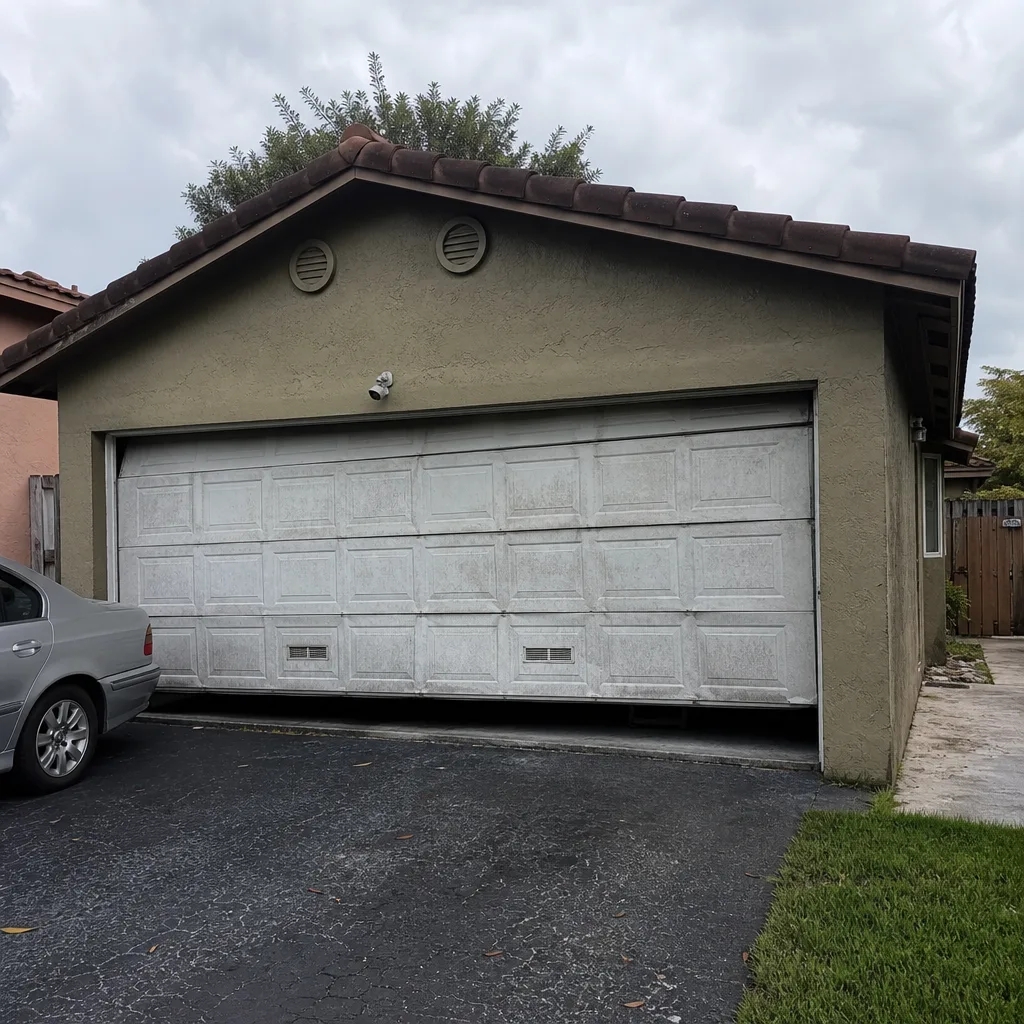 Before
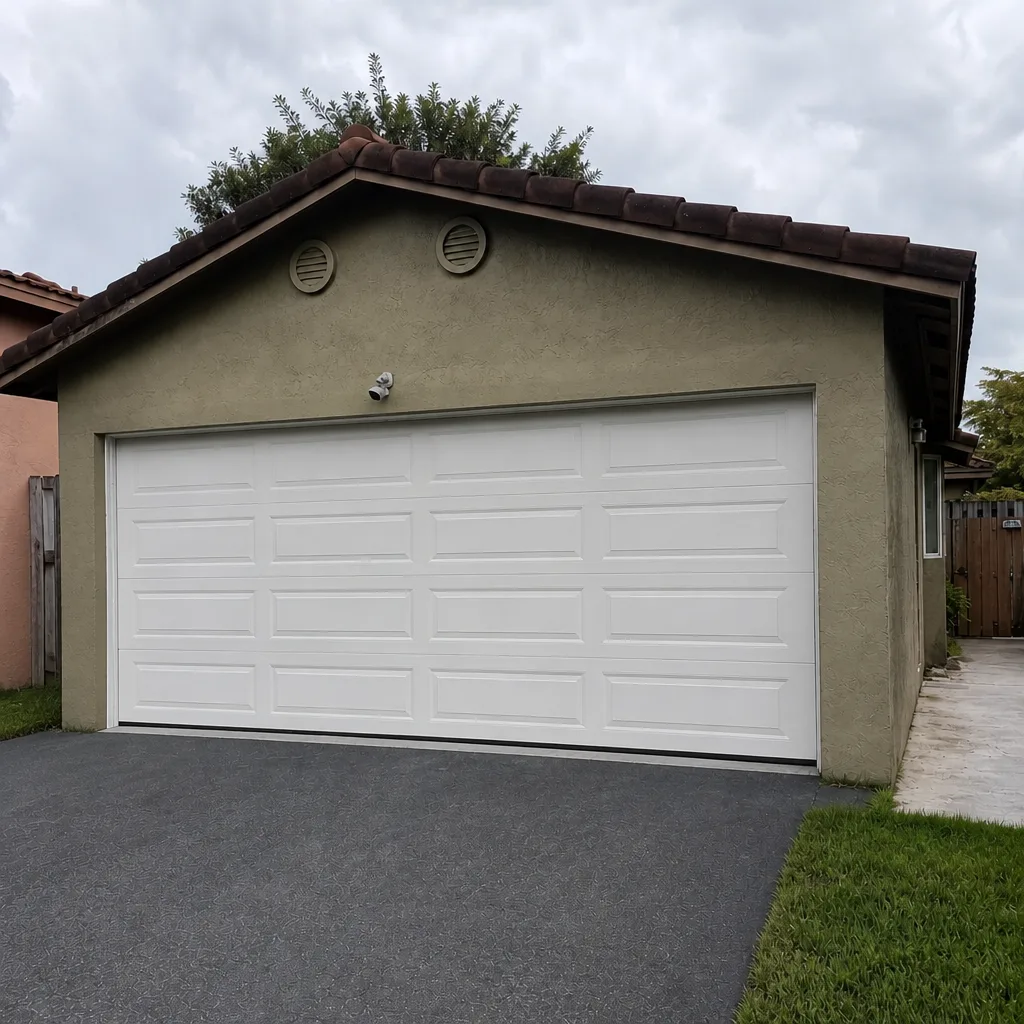 After
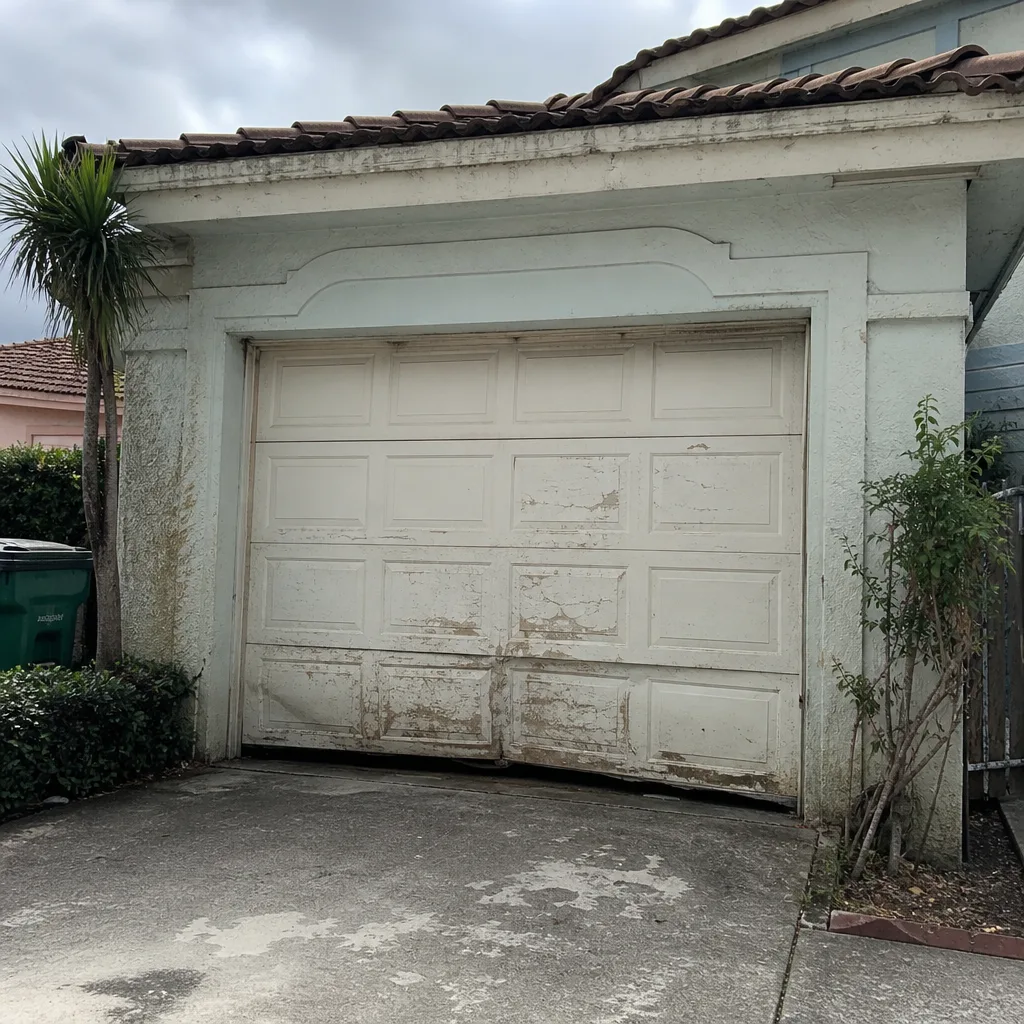 Before
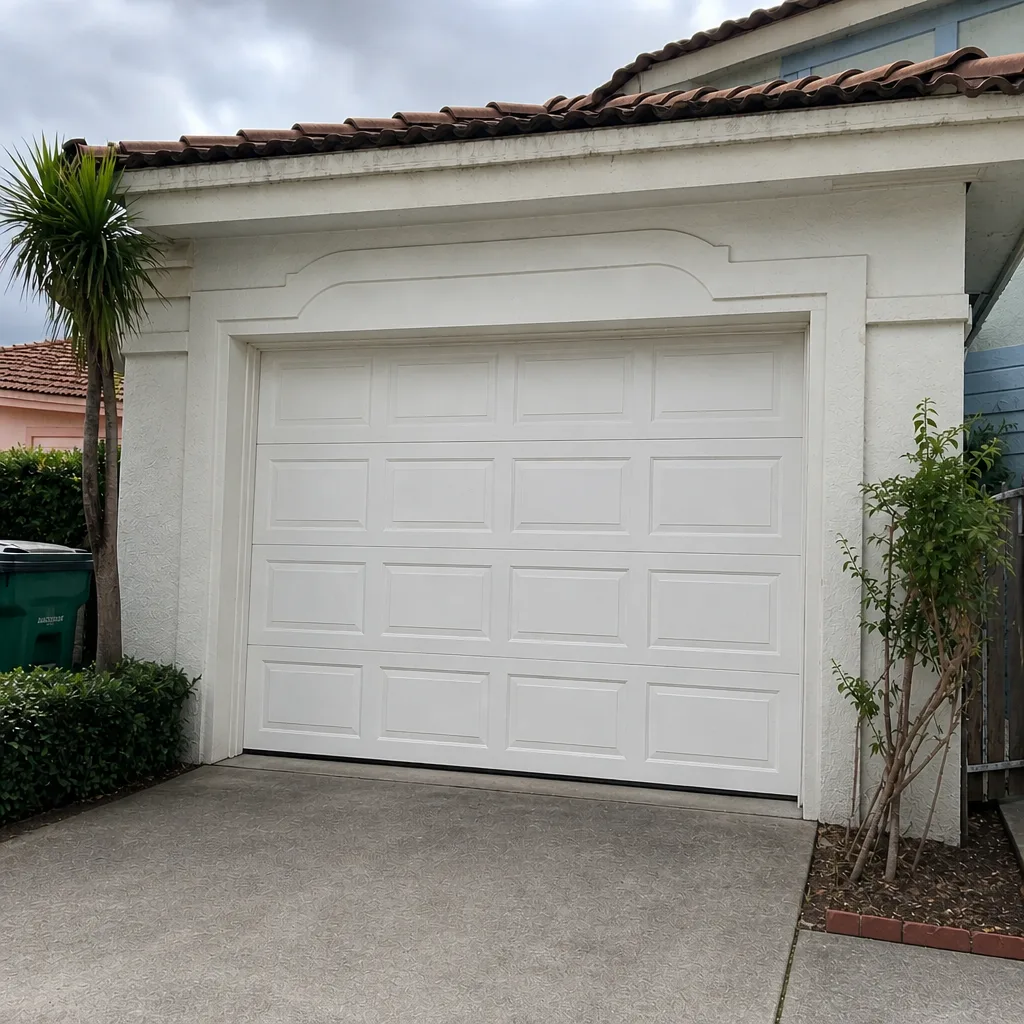 After
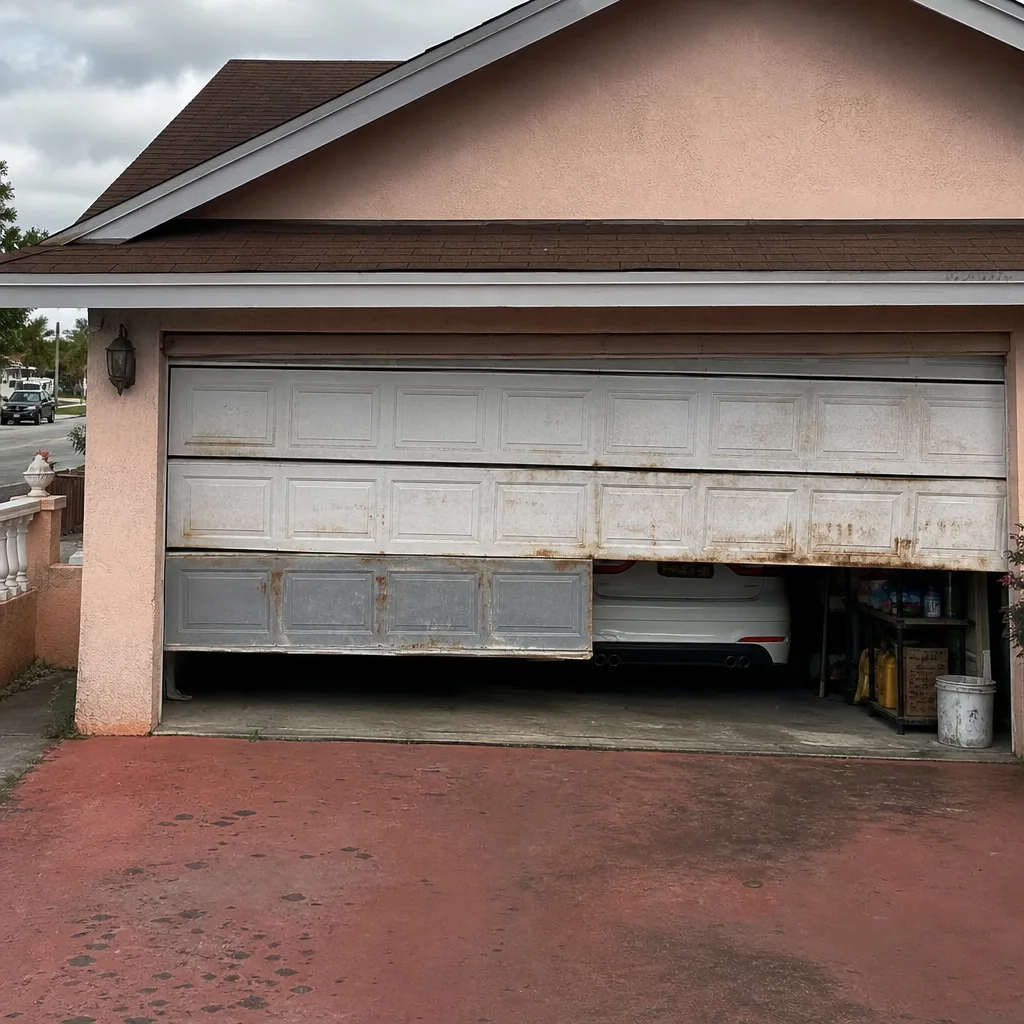 Before
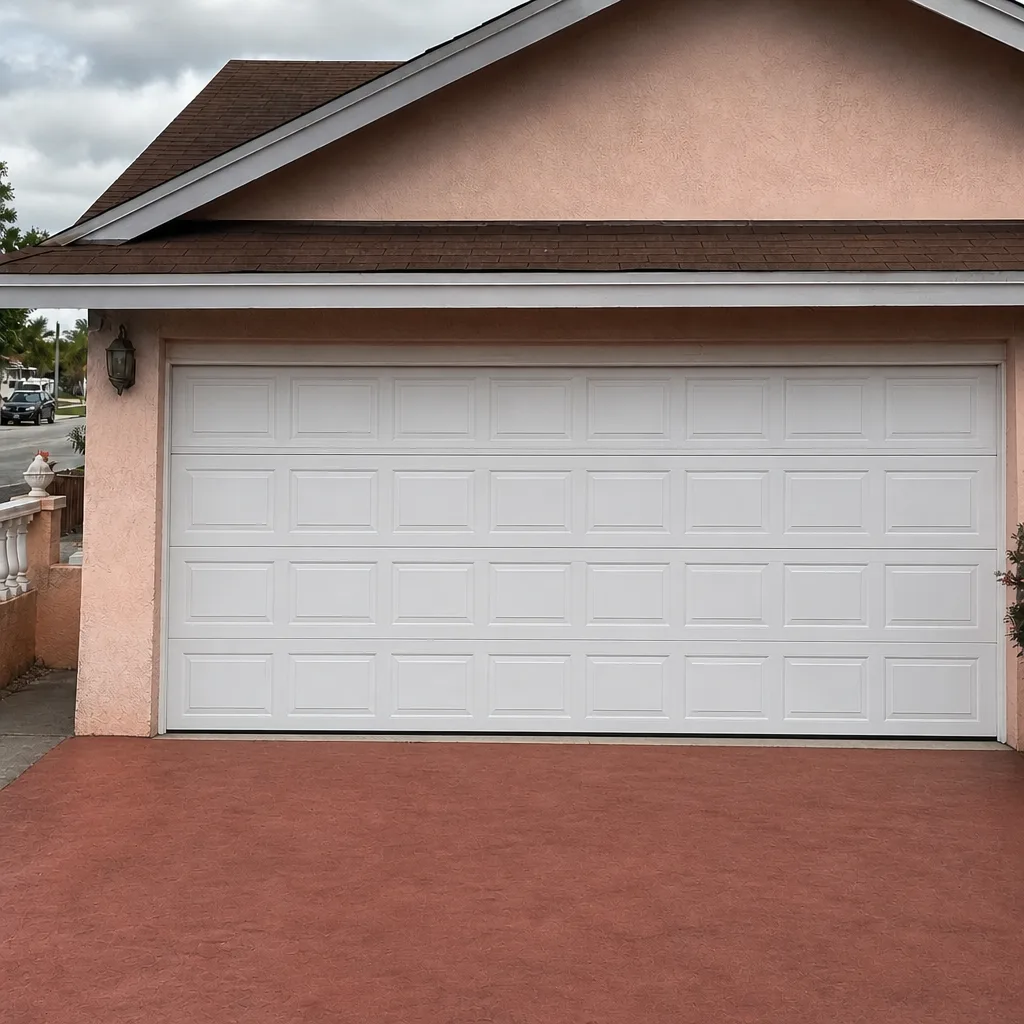 After
When to Call a Professional
Call a professional when the task involves springs, cables, track alignment, or the structural installation of the door. Call when you see a frayed cable, a spring with a visible gap, a door that’s off its track, or a door that won’t open or close at all. Call when the opener runs but the door doesn’t move, or when the door reverses for no clear reason after you’ve checked the sensors. Call when you’re planning a new door or a major component replacement and want to know what the code requires. In Hialeah, the heat and humidity mean these failures can happen suddenly, and a specialist can diagnose the right problem the first time. Hialeah Garage Door Repair Experts offers free estimates in Hialeah – call (888) 584-5554. We answer 24/7. Fast dispatch from 7am to 7pm, Sunday through Friday.
Frequently Asked Questions
No. Torsion spring replacement involves stored energy that can cause serious injury if the spring slips during winding, and the tools and technique required are not something a homeowner should attempt without training. Miami-Dade code may also require a licensed contractor for this work, so confirm with the city’s building department before deciding. Call (888) 584-5554 for a free estimate.
Lubrication, safety sensor alignment, remote and keypad reprogramming, bottom seal replacement, and monthly visual inspections are all reasonable DIY tasks. None of them involve releasing stored tension or supporting the door’s weight. If a task involves the springs, cables, or track alignment, it belongs to a professional.
In most cases, yes. A new garage door installation in Miami-Dade typically requires a permit and an inspection because the door is a structural and life-safety component of the home. The exact requirement depends on your specific project, so confirm with the City of Hialeah building department before you start. A licensed professional can walk you through what your job needs.
Not by as much as it looks. Once you add the cost of a correctly rated spring, a pair of winding bars, C-clamps, and a full afternoon of your time, the gap between DIY and professional narrows considerably. And if the spring is the wrong size or the door won’t balance, you’ll be doing the job twice. For most Hialeah homeowners, the professional route is the better value once the full cost is on the table.
Usually, yes. A blinking sensor light means the photo-eye beam is misaligned or the lens is dirty. Wipe the lenses with a soft cloth and adjust the sensor position until the lights are solid. If the light stays blinking after that, the sensor may be failing, and a professional can test it. Call (888) 584-5554 if you’re not sure.
We’re closed Saturday. We’re open Sunday through Friday, 7am to 7pm, and we answer the phone 24/7. A call outside dispatch hours is booked into the next opening, Sunday through Friday, 7am to 7pm. If your door fails, keep the area clear and call (888) 584-5554 so we can get you on the schedule.
The Bottom Line
The DIY versus professional question for garage doors isn’t about whether you’re handy. It’s about which tasks involve stored energy, structural alignment, or code requirements, and which don’t. Lubrication, sensor alignment, remote reprogramming, and bottom seal replacement are genuinely safe for a careful homeowner. Springs, cables, track work, and full installation are not, both because of the injury risk and because Miami-Dade code often requires a licensed contractor. The math on DIY spring replacement is closer than it looks once you count the tools and the time. When in doubt, call a specialist. Hialeah Garage Door Repair Experts works on LiftMaster, Chamberlain, Genie, Clopay, Amarr, Wayne Dalton, Craftsman, and Raynor equipment, and we offer free estimates in Hialeah. Call (888) 584-5554. We answer 24/7. Fast dispatch from 7am to 7pm, Sunday through Friday.
Written by the team at Hialeah Garage Door Repair Experts.